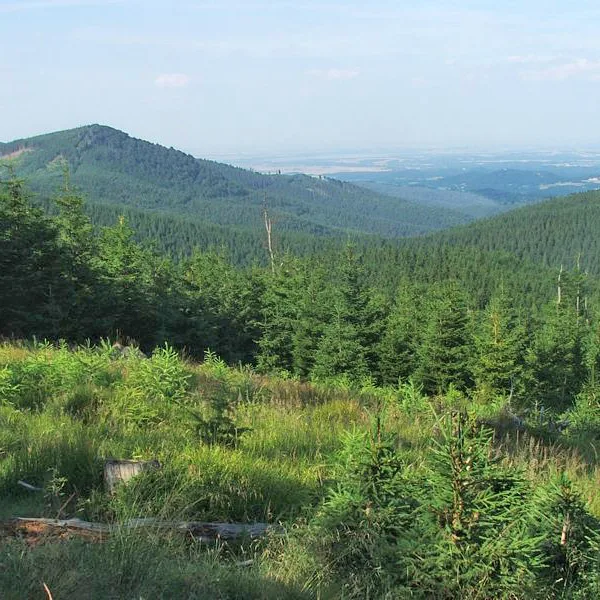
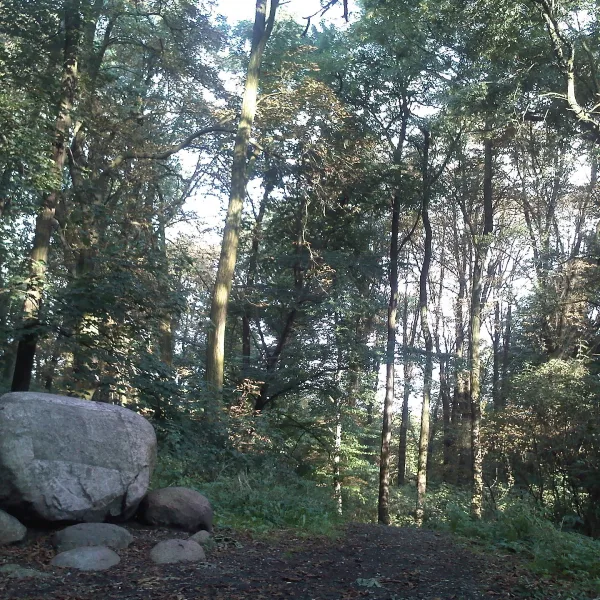
Parks and nature in Lower Silesia: Wrocław gardens, Karkonosze waterfalls, caves and rock towns. Pick a place for your walk.
This list brings together city parks, spa parks, nature reserves, waterfalls, caves and rock formations from Wrocław and the wider region. It differs from the neighbouring mountains category in one way: here you are looking for a walk, not a summit to conquer. Below you will find where to begin, what to combine in one day and where to go when the weather turns.
Where should you start with parks and nature in Lower Silesia?
Start with how much time you have and where you are staying. For an afternoon in Wrocław, choose a park or garden inside the city. For a full day, head into the Sudetes for waterfalls and rocks. Spa parks suit a calm stroll, and nature reserves suit people who like quiet and a longer walk.
Which park in Wrocław should you choose for a walk?
For a long walk pick Szczytnicki Park, one of the largest parks in Wrocław, spread out east of the Old Oder. It has a landscape layout, rich old trees, the Japanese Garden and a wooden church, and the Centennial Hall stands next door. One of the first English-style parks on the continent was laid out here by Friedrich Ludwig zu Hohenlohe-Ingelfingen after he bought the land in 1783.
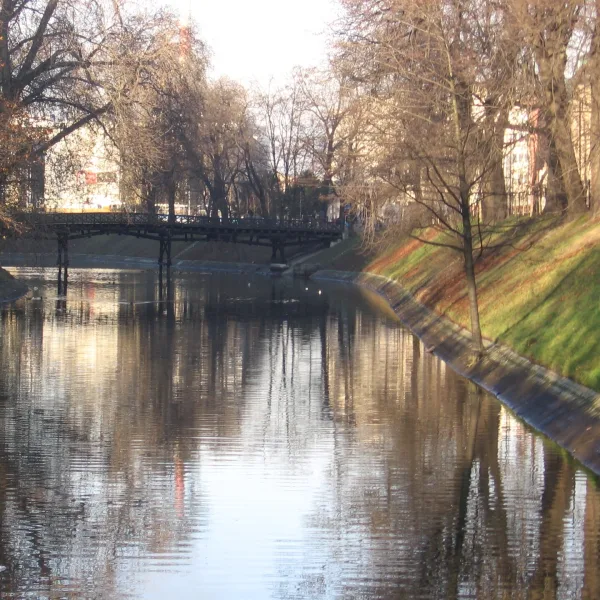
Closer to the Market Square there are two smaller parks. The Juliusz Słowacki Park lies on the edge of the Old Town, partly where the city moat once ran, next to the Museum of Architecture and the Racławice Panorama. The Nicolaus Copernicus Park by the Wrocław Opera was designed after the Tivoli Gardens in Copenhagen, with a monument to Copernicus and a carousel for children.
In the residential districts you will find parks that locals know better than visitors do:
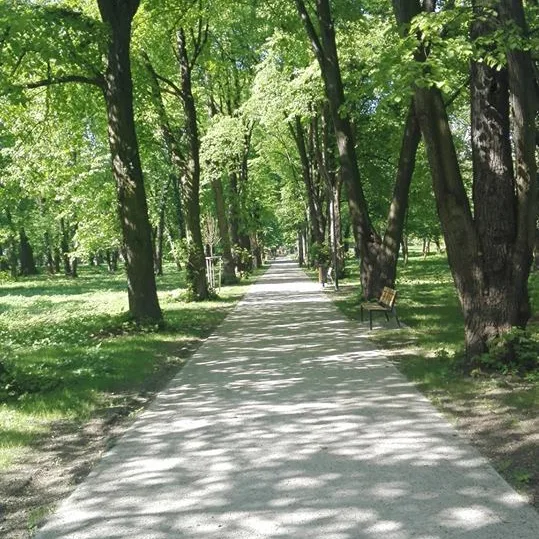
- Grabiszyński Park, a big one, with a lime tree avenue as its main axis and the Ślęza river along its southern side,
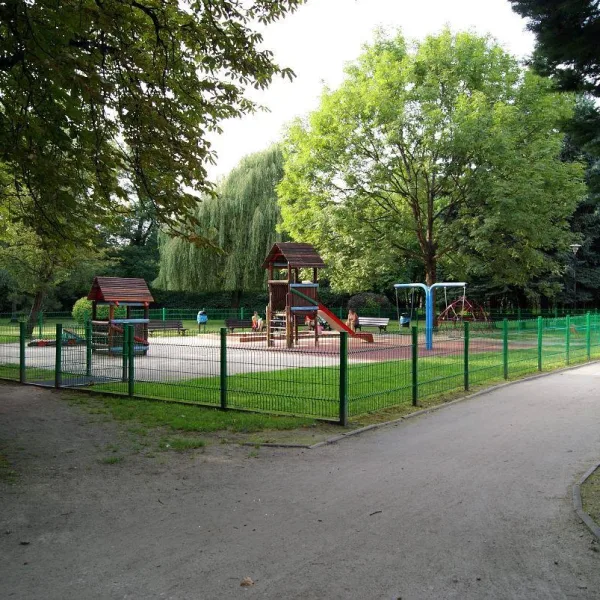
- Stanisław Tołpa Park in Ołbin, with a pond, an artificial hill, playgrounds and a dog run,
- Kleciński Park in Krzyki-Partynice, with an amphitheatre, a playground, a sports pitch and a dog run by the Ślęza,
- East Park in Księże, set on two islands formed by arms of the Oława river,
- West Park, also called Bebelpark, with an oak avenue and remains of First World War fortifications,
- Stabłowicki Park on the Bystrzyca, once the private park of the botanist Karol Lauterbach, with several natural monuments.
Several Wrocław parks were created on the sites of former cemeteries, among them Grabiszyński, Marii Dąbrowskiej and Tarnogajski. Each card describes this history in a matter-of-fact way, and today the walk itself is an ordinary stroll through city greenery.
Where to see gardens with a history in Wrocław?
Treat two gardens as destinations in their own right rather than an add-on to a park walk. The Botanical Garden of the University of Wrocław on Ostrów Tumski, the cathedral island, was founded in 1811 and is the second oldest botanical garden in Poland, after the one in Kraków. It covers 7.5 hectares and holds around 7,500 species of plants.
The second is the Japanese Garden in Wrocław, inside Szczytnicki Park, created in 1909-1913 on the initiative of Count Fritz von Hochberg. It was designed by the Japanese gardener Mankichi Arai. The garden combines several types of Japanese landscape: public, water, tea garden and a stony beach, and koi carp swim in the pond. In July 1997, during the flood of the century, it stood under water for three weeks and had to be reconstructed again.
Which waterfalls in the Sudetes are worth a trip?
The highest waterfall in the Polish Sudetes is the Kamieńczyk Waterfall near Szklarska Poręba: a 27-metre cascade in a rocky gorge inside the Karkonosze National Park. It lies at 846 metres above sea level, on the trail from Szklarska Poręba up to the main ridge of the Karkonosze.
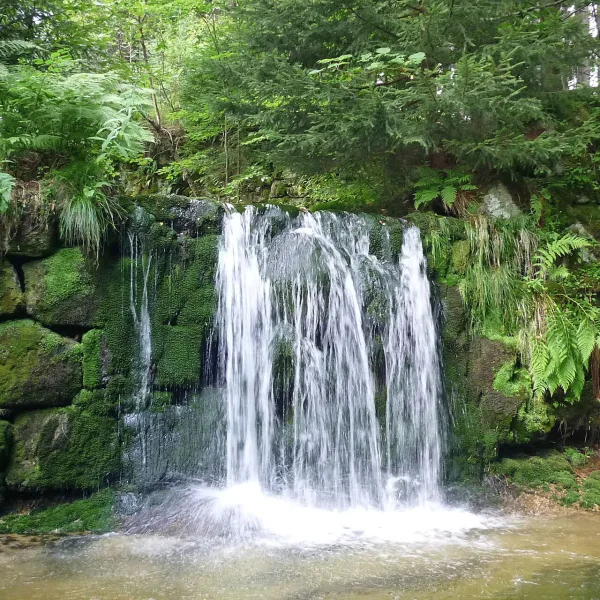
The second waterfall of the Karkonosze, the Szklarka Waterfall in Piechowice, is 13 metres high and is accessible also to wheelchair users. It is a good choice when the group includes children, older people or anyone who does not want a long climb. The third highest in the Polish Karkonosze is the Podgórna Waterfall near Przesieka, hidden in the forest by the black trail from Przesieka to Sosnówka. The stream drops there in two cascades from a rock ledge, with granite cliffs rising on both sides.
In Karpacz visit the Dziki Waterfall (the Wild Waterfall). Technically it is an anti-debris dam on the Łomnica river, built in 1910-1915 after a series of nineteenth-century floods, yet the cascade draws walkers and is one of the more popular hiking goals in town.
In the Kłodzko Land look for the Wilczka Waterfall just below the centre of Międzygórze. It is a landscape nature reserve from 1958, and the waterfall itself is 22 metres high, the second largest in the Sudetes.
What to see in the Table Mountains and the Kłodzko Land?
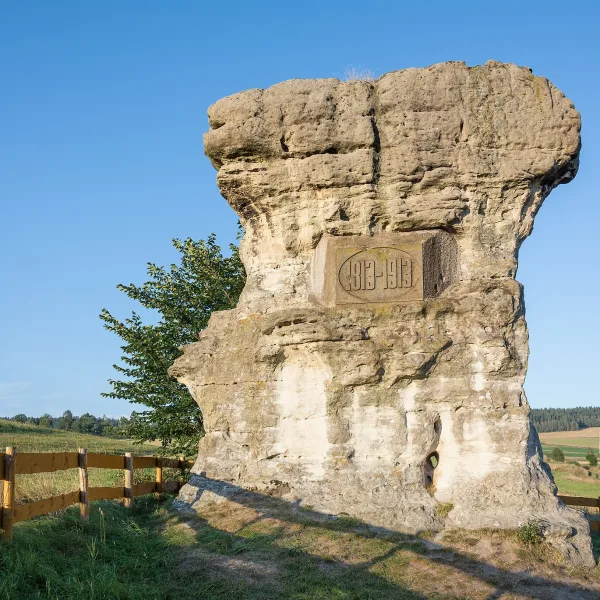
In the Table Mountains go to Błędne Skały, a maze of sandstone blocks between Kudowa-Zdrój and Karłów. Marked trails lead through the rock crevices, and the highest part of the maze lies at 853 metres above sea level. It is part of the Table Mountains National Park, on the border between Poland and Czechia.
The second rock destination is the Głazy Krasnoludków reserve in Zawory, near Gorzeszów. It protects the Gorzeszów rocks, sandstone formations shaped like figures, walls and towers.
You can go underground in the Bear Cave in Kletno, the longest cave in the Sudetes, discovered in 1966 during marble quarrying. You visit it with a guide, the route takes 45 minutes and the temperature inside stays at around 6 degrees, so take a warm jumper even in summer.
For people who like rare nature there are reserves. The Torfowisko pod Zieleńcem peat bog in the Bystrzyckie Mountains protects an ice age relic with dwarf birch.
Where to take a quiet walk in the spa towns?
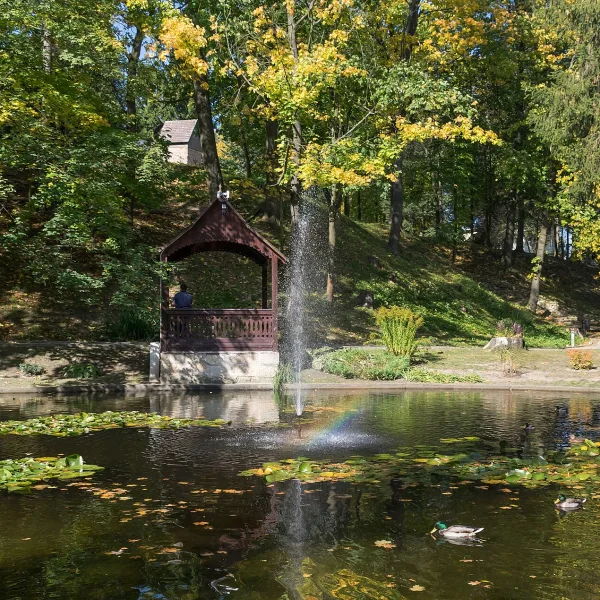
Spa parks are the easiest way to be in nature: laid-out paths, benches and no steep climbs. The Spa Park in Polanica-Zdrój fills the town centre, is divided into five parts and has rich old trees and a network of hiking trails.
In Szczawno-Zdrój the park was laid out in 1812 in the English style, meaning winding paths and loosely placed groups of trees. It has a monument to Wieniawski and a concert shell, and trails set off from here into the Wałbrzych Mountains. The spa park in Długopole-Zdrój, from 1819, covers 30 hectares and has a pump room, an amphitheatre and a grotto with a spring, while the Main Sudeten Trail runs through it.
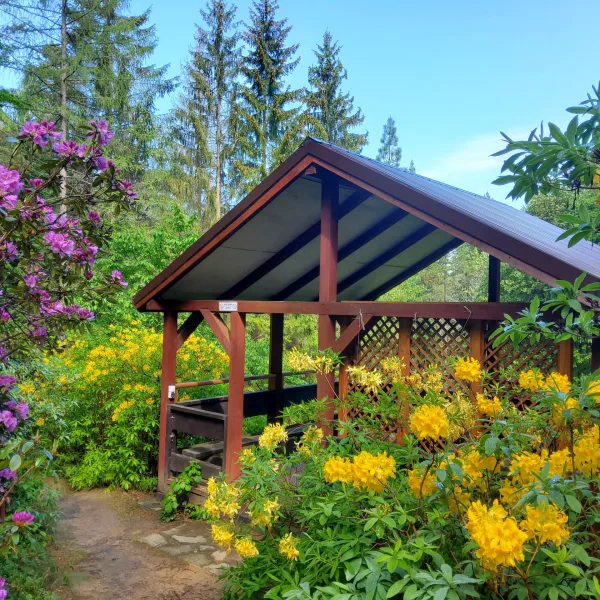
In Jelenia Góra, in the district of Cieplice Śląskie-Zdrój, stroll into the Norwegian Park, known for its wooden pavilion in the Scandinavian style. If you like trees, head for Lądek-Zdrój: the Arboretum in Lądek-Zdrój lies at 475-500 metres above sea level and is the highest arboretum in Poland.
How to combine parks and nature into a one-day route?
In the Karkonosze combine two waterfalls in one day: the Szklarka Waterfall in Piechowice first, then the Kamieńczyk near Szklarska Poręba. From Karpacz make a short detour to the Wild Waterfall, and for a longer day add the Podgórna Waterfall near Przesieka.
In the Kłodzko Land build a route around the Table Mountains: Błędne Skały, the Głazy Krasnoludków reserve and a calm walk through the spa park in Polanica-Zdrój at the end. Treat the Bear Cave in Kletno separately, because a guided tour has its own schedule.
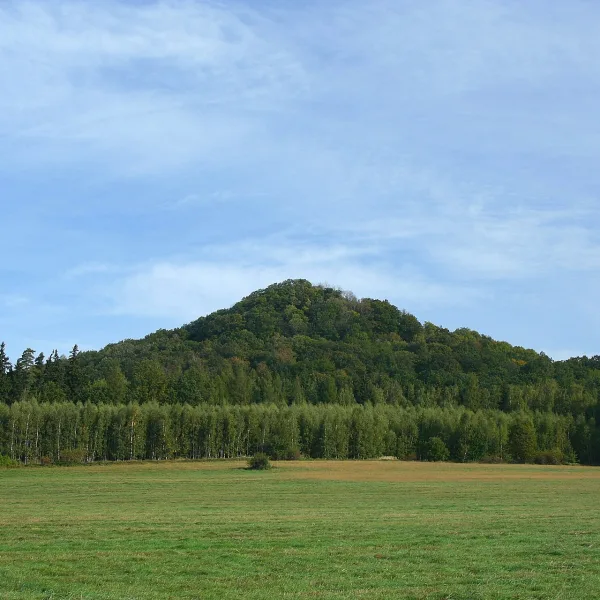
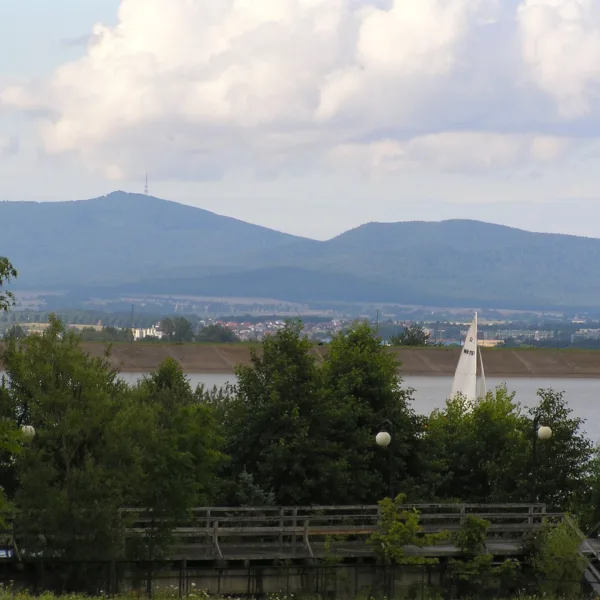
Near Wrocław the Ślęża Landscape Park works well, with the Ślęża and Radunia massifs and a network of walking, cycling and educational trails. The Mount Ślęża nature reserve from 1954 lies within its boundaries.
What to do in parks and nature when the weather turns?
When it rains, a cave is the best choice, because underground the weather does not change your route. The Bear Cave is open to visitors with a guide, but bring warm clothes and sturdy shoes.
Otherwise pick places with laid-out paths and short distances. Spa parks and city gardens can be walked even between passing showers. In the Municipal Park in Legnica, the oldest and largest in the city, you will find the Palm House and the Summer Theatre, and in the south-west of the city lies the Złotoryjski Wood, a historic forest park. Views from the peaks are better kept for fair weather, and you will find them under viewpoints.
With children on a rainy day an indoor attraction beats a waterfall. We collected such places under attractions for children.
How to use the parks and nature list on the portal?
Start with the town: the list shows places from Wrocław and from other localities, so narrow it down to where you will be. Wrocław parks are gathered on the page of attractions in Wrocław, and hiking trips have their own category, Mountains.
Frequently asked questions
Which waterfall should I choose if I travel with children or a pushchair?
Choose the Szklarka Waterfall in Piechowice, which is accessible also to wheelchair users. It is 13 metres high and lies in the Karkonosze National Park. The Kamieńczyk Waterfall is taller, but the way to it leads along a trail from Szklarska Poręba through a rocky gorge.
What is the largest park in Wrocław?
Among the parks described here the largest is Szczytnicki Park, at around 100 hectares. The Japanese Garden lies inside it and the Centennial Hall stands beside it. Grabiszyński Park covers 48 hectares.
Do you need a guide to visit the Bear Cave?
Yes, the cave is open to visitors with a guide, and the tourist route takes 45 minutes. The temperature inside is constant at around 6 degrees, so bring warm clothes. Check the current entry rules on the attraction card.
Where can I take an easy walk without steep climbs?
Try the spa parks in Polanica-Zdrój, Szczawno-Zdrój or Długopole-Zdrój. They have laid-out paths, and trails lead out of the last two if you want a longer walk.

 Parks and nature