Things to do in Wrocław: the Market Square, Ostrów Tumski, the Centennial Hall, the zoo and the parks. Pick a plan for a full day or for rainy weather.
This list covers attractions in the city itself, not the rest of Lower Silesia. You will find museums, churches, parks, bridges, monuments and indoor play areas, and every entry leads to its own page with a description. If you only care about one part of town, use the split into former districts described near the end of this text.
Where should you start sightseeing in Wrocław?
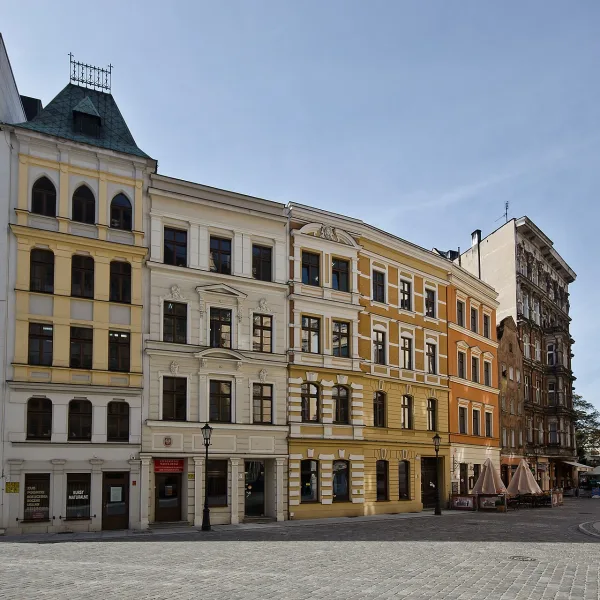
Start at the Market Square. It is a medieval trading square at the centre of the pedestrian zone, and from there you can easily walk to the town hall, the cathedrals and the museums. Only then head for Ostrów Tumski, the cathedral island, or cross to the eastern bank of the Oder for the Centennial Hall and the parks.
The Market Square is one of the largest old town squares in Europe, with a block of buildings in the middle that holds the Old and New Town Halls. The late Gothic town hall was built from the end of the 13th century to the 16th century and today houses the Museum of Bourgeois Art with the Gallery of Famous Wrocław Residents.
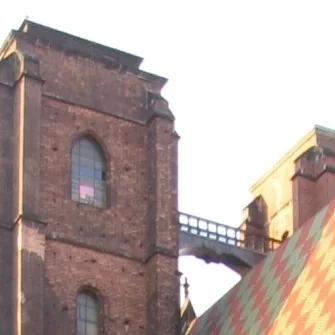
A few steps away stands the Panorama of the Battle of Racławice, a museum built around one enormous cyclorama painting. You view it from a central platform, surrounded by the canvas on every side. Next to the square you will also find two Gothic churches: the Basilica of St Elizabeth with its 91-metre tower and the Cathedral of St Mary Magdalene.
How do you walk from the Market Square to Ostrów Tumski?
The Market Square and Ostrów Tumski fit into one half-day walk if you go inside two or three buildings. The island offers a cathedral, a botanical garden and a riveted steel bridge that leads from Sand Island straight to the church. Below is a suggested order, which you can shorten anywhere along the way.
- The Market Square and the town hall, to get a feel for the layout of the centre
- The Royal Palace with its exhibition on a thousand years of Wrocław, or the Racławice Panorama
- The Market Hall on Piaskowa Street, still in daily use
- Tumski Bridge, now open to pedestrians only
- The Cathedral of St John the Baptist, with a viewing gallery in its tower
- The Botanical Garden of the University of Wrocław
Tumski Bridge is a two-span riveted steel bridge from 1889, standing where an earlier wooden crossing used to be. Beyond it, Gothic architecture takes over: the cathedral is the fourth church built on this spot and counts as one of the four oldest cathedrals in Poland. It also holds the largest organ in the country.
Next door lies the Botanical Garden, founded in 1811 and the second oldest in Poland. Its collection has about seven and a half thousand plant species, so even a short visit gives you a quiet walk between greenhouses and a pond left from an old arm of the Oder.
What is there to see on the eastern bank: Centennial Hall and Szczytniki?
Plan a separate outing of a few hours for the eastern side of the Oder. The main sights are the Centennial Hall, the Japanese Garden, the Spire and the Wrocław Fountain, all close together. Start with the hall, because it is easy to build the rest of the route from there.
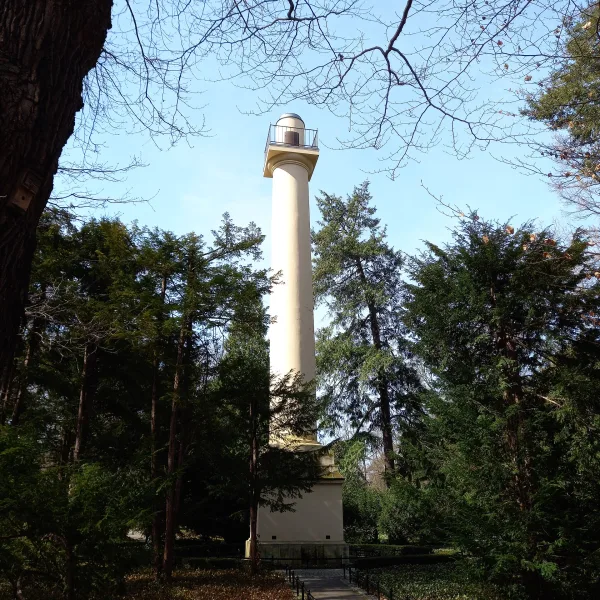
The Centennial Hall is an expressionist hall from 1911 to 1913 designed by Max Berg and listed by UNESCO. Its dome is 67 metres across, and when it was built it was the largest reinforced concrete dome in the world. Beside it stand the Four Domes Pavilion, now a branch of the National Museum devoted to contemporary art, and the Spire, a steel tower from 1948.
Behind the hall begins Szczytnicki Park, one of the largest parks in the city. Inside it you will find the Japanese Garden with its cascades, little bridges and a pond with koi carp, as well as the Wrocław Fountain, the largest in Poland, which runs seasonal shows of water, light and music. The Szczytnicki Bridge from 1888 to 1890 links the park with Grunwaldzki Square.
Where can you go with children in Wrocław?
With children, begin with the zoo and the Afrykarium, because they are the biggest family attractions and sit next to the Centennial Hall. On days with poor weather choose Kolejkowo, a trampoline park or an indoor play room, which all work whatever the sky looks like.
The Wrocław Zoo has operated without a break since 1865 and is the oldest zoo within today's Polish borders. On its grounds stands the Afrykarium, the first oceanarium in Poland devoted to African ecosystems. A small rope park called Zoolandia accepts children from the age of three.
In the centre you will find Kolejkowo, a moving model railway in the Sky Tower, with miniature trains, trams, ships and aircraft and scenes from Silesia. For energetic kids there is the GOjump MEGApark on Długosza Street, with trampolines, an obstacle course and air cushions, and for the youngest Bobolandia, a play room in the Księże area. More places for families are listed under attractions for children.
What can you do in Wrocław when it rains?
Wrocław has plenty of indoor options for rain: museums, theatres, a water park and indoor entertainment venues. The easiest approach is to combine two places that lie close together. Below is a choice from museums to an activity bar, arranged by interest.
For art, try the National Museum on Powstańców Warszawy Square, which holds paintings and sculpture, mostly Silesian art. If you prefer the history of the city, go to the Royal Palace or to the Depot History Centre, which tells the story of Wrocław after 1945. The Hydropolis centre teaches about water inside a former underground tank of the city waterworks.
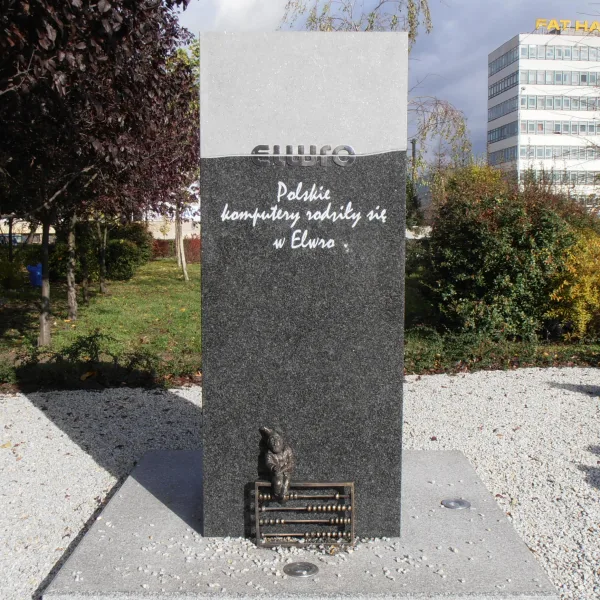
The Museum of Games and Computers of a Bygone Era shows retro computing in the Świebodzki Station building, and the Museum of Militaria occupies the medieval City Arsenal from 1459. For a swim, head to the Aquapark Wrocław, which has slides and saunas. In the evening look into the Wrocław Opera, the National Forum of Music, the Polish Theatre or the Puppet Theatre. A group of friends can also try Zagrywki, a venue with shuffleboard, mini golf, karaoke, darts and beer pong. The full list is under museums.
Where can you rest from the city in parks and on hills?
The easiest way to rest is in a park, and Wrocław has many, each with its own character. Szczytnicki Park is large and landscaped, West Park has an avenue of oaks, and Grabiszyński Park an avenue of lime trees. For a calmer visit choose a smaller park near the centre.
Grabiszyński Park covers 48 hectares and was laid out on the site of a former municipal cemetery. East Park lies on two islands formed by arms of the Oława river, in the Księże area. Stanisław Tołpa Park in Ołbin has a pond with a small island, an artificial hill, playgrounds and a dog run.
In the centre, next to the Opera, lies Nicolaus Copernicus Park, laid out in the style of the Tivoli Gardens in Copenhagen and equipped with a carousel for children. It borders Juliusz Słowacki Park, which occupies part of the old city moat. If you like views from a height, climb Tarnogaj Hill, an artificial mound 133 metres above sea level. The whole list is under parks and nature.
Bridges, monuments and less obvious places
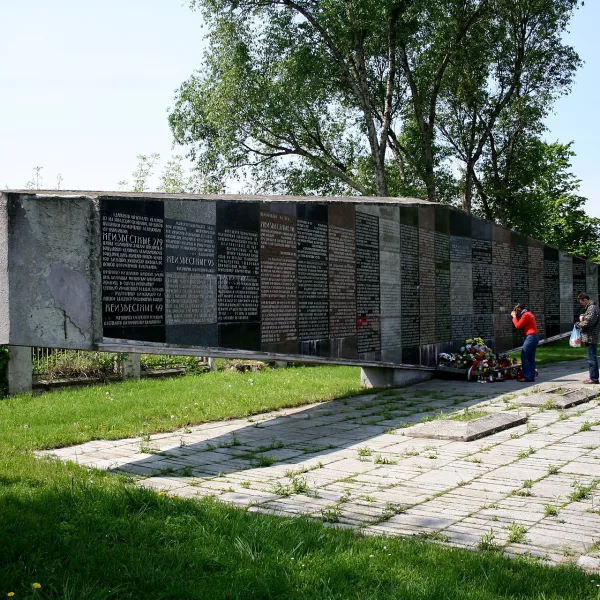
Away from the main route Wrocław has bridges, installations and historic sites that fit well between the larger attractions. Many of them are free and need no planning. Treat cemeteries and memorials with respect, because they are places of remembrance.
The Grunwaldzki Bridge is a historic suspension bridge from 1910 that links the centre with Grunwaldzki Square. On Strzegomski Square in the Szczepin area stands Train to the Sky, a historic steam locomotive set upright, 21 metres tall and weighing 82 tonnes. The Market Hall, opened in 1908, still hosts a daily market.
The Old Jewish Cemetery on Ślężna Street, founded in 1856, is now the Museum of Cemetery Art. Plan a quiet visit there in the morning. The White Stork Synagogue, a classicist building from 1829, is one of the two active synagogues in the city.
How do you use the list and the district split?
The list on this page covers the whole city, but you can narrow it down to five former districts. Each has its own page with places that lie close to one another. Pick the district where you stay or the one you plan to explore that day.
Stare Miasto covers the centre, Przedmieście Świdnickie and Szczepin. Śródmieście includes Nadodrze, Ołbin, Plac Grunwaldzki, Biskupin-Sępolno-Dąbie-Bartoszowice and Zacisze-Zalesie-Szczytniki, which means the Centennial Hall, the zoo and the parks. Krzyki combines Przedmieście Oławskie, Huby, Księże and Gaj.
Fabryczna is Leśnica, Grabiszyn-Grabiszynek, Pilczyce-Kozanów-Popowice Północne and Gajowice, and Psie Pole is Karłowice-Różanka, Sołtysowice and Osobowice-Rędzin. You can also pick a category on the list, for example museums, parks or churches.
Frequently asked questions
What should I see in Wrocław if I have only one day?
Begin with the Market Square, the town hall and the Racławice Panorama, then walk on to Ostrów Tumski. In the afternoon go to the Centennial Hall and the Japanese Garden. This plan gives a good picture of the city without rushing.
Where can I take a child in Wrocław on a rainy day?
Choose Kolejkowo, the Afrykarium, a trampoline park or an indoor play room. Older children may like Hydropolis or the Museum of Games and Computers of a Bygone Era. The Aquapark Wrocław has slides and pools under a roof.
Which places are free?
Free places carry a tag on their pages. They include parks such as Szczytnicki, West Park and Grabiszyński, as well as Tarnogaj Hill. Before you go, check the entry rules on the website of the place itself.
Are there viewpoints in the city?
Yes. The cathedral has a viewing gallery in its tower, and Tarnogaj Hill, an artificial mound, carries a tag for beautiful views. The Spire next to the Centennial Hall is a steel tower about ninety metres tall.

 Cemeteries and monuments