Churches and monasteries in Lower Silesia and Wrocław: cathedrals, UNESCO Churches of Peace, abbeys and shrines. Plan your route.
This page gathers places of worship of every faith: Gothic cathedrals, Baroque monasteries, wooden UNESCO churches, a synagogue and Orthodox cathedrals, as well as modern parish churches in housing estates. Most entries are in Wrocław, followed by Wałbrzych, Świdnica and Głogów, but valuable buildings also stand in small towns and villages. Secular monuments such as castles and palaces are in the historic sites category.
Which churches and monasteries should you see first?
If you have time for a few places, begin with the Cathedral of St John the Baptist in Wrocław, the Church of Peace in Świdnica, the abbey in Krzeszów and the Wang Church in Karpacz. They represent four very different styles and corners of the region.
The Cathedral of St John the Baptist stands on Ostrów Tumski, the cathedral island, at Katedralny Square. It is the Gothic metropolitan church of the Archdiocese of Wrocław and the fourth church on this site. It is counted among the four oldest cathedrals in Poland, houses the largest organ in the country, and has a viewing gallery on its tower.
The Church of Peace in Świdnica is the largest wooden Baroque church in Europe, raised after the Peace of Westphalia of 1648. It has been on the UNESCO World Heritage List since 2001 and belongs to the Evangelical-Augsburg parish. The foundation stone was laid in 1656, the Wrocław architect Albrecht von Saebisch drew up the design, and construction took only ten months.
The Cistercian Abbey in Krzeszów is a monumental Baroque monastery complex, a Monument of History and a candidate for the UNESCO list. Anna Přemyslid founded the monastery in 1242, and the Cistercians arrived in 1292. Finally, the Wang Church in Karpacz is a Norwegian stave church from the turn of the 12th and 13th centuries. It was built of pine logs in Vang in southern Norway and moved to the slope below Mount Śnieżka in 1841-1842. Today it is a working parish church.
Which places of worship are worth visiting in Wrocław?
In Wrocław the easiest approach is two areas: Ostrów Tumski with the cathedral and the collegiate church, and the Market Square with the Basilica of St Elizabeth and St Mary Magdalene's Cathedral. Plan Piasek island, the Old Town and the Four Denominations District separately.
Ostrów Tumski is also home to the Collegiate Church of the Holy Cross and St Bartholomew, a Gothic church at Kościelny Square, next to the former castle of the Silesian Piasts. Duke Henry Probus founded it, and issued the founding charter on 11 January 1288. At the north-western corner of the Market Square you will find the Basilica of St Elizabeth of Hungary, a Gothic church with a 91-metre tower, now a garrison church and a minor basilica. Close by, between Szewska and Łaciarska streets, stands the Gothic St Mary Magdalene's Cathedral from the 14th century, today the seat of the Polish Catholic Church.
On Piasek island lies the Gothic Church of Our Lady on the Sand, built in the 14th century on the site of a Romanesque church from the 12th century. On University Square stands the Baroque Church of the Holy Name of Jesus, built by the Jesuits in 1689-1698 and now the university church. On Świdnicka Street you will find the late Gothic hall church of St Stanislaus, St Dorothy and St Wenceslaus. More addresses from this area are on the Stare Miasto attractions page.
What are the Churches of Peace and how do you combine them?
The Churches of Peace are wooden Evangelical churches built after the Peace of Westphalia of 1648, which ended the Thirty Years' War. Two of them, in Świdnica and Jawor, have been on the UNESCO list since 2001.
The Church of Peace in Jawor has a half-timbered structure and is one of two surviving churches in Poland built after the Thirty Years' War ended. Protestants in Silesian lands under the Catholic Habsburgs were then allowed to build churches, but with restrictions.
In Świdnica, besides the Church of Peace, visit the Cathedral of St Stanislaus and St Wenceslaus. Construction began in 1330 on the order of Duke Bolko II. The cathedral has the tallest tower in Silesia and Baroque furnishings by Johann Riedel, and since 2004 it has been the cathedral of the Świdnica diocese. The entry carries the tags "free" and "rainy day". All the town's sights are on the Świdnica page.
You can add the basilica in Strzegom, a Gothic church built in stages from the 14th to the 16th century, originally owned by the Knights of St John and listed as a Monument of History. It lies in the Świdnica county and fills out a day in this part of Lower Silesia.
Where to find monasteries and shrines?
The largest monastery complexes are in Krzeszów, Trzebnica and Wambierzyce. Smaller but active monasteries also stand in Kłodzko. Each is a working religious centre, so schedule your visit around services.
In Krzeszów the abbey belongs to the Legnica diocese, and the Cistercians developed the buildings over the centuries. The Sanctuary of St Hedwig in Trzebnica is a convent founded in 1202 by Duke Henry the Bearded, the first women's religious community in Poland. The basilica holds the tomb of St Hedwig, and the chapel of St Hedwig from 1268-1269 was the first building in Poland built entirely in the Gothic style.
The Sanctuary in Wambierzyce is a Baroque basilica from 1715-1723, given the title of minor basilica by Pope Pius XI in 1936. The village in the Kłodzko county is called the "Silesian Jerusalem", and a large Calvary with chapels spreads around the basilica. Franciscans run it. In Kłodzko, on Piasek island, stands a Baroque Franciscan monastery from 1731, still active, with regular masses at the church of Our Lady of the Rosary. More about the town is on the Kłodzko page.
Which places of worship of other faiths can you see?
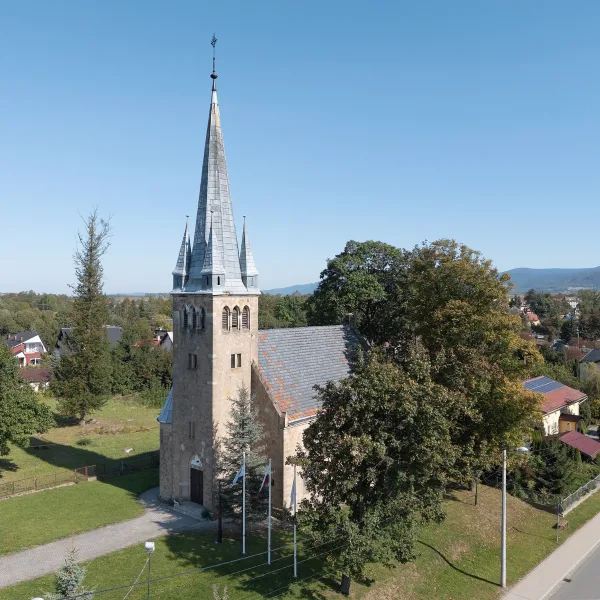
In Wrocław you can see a synagogue, a Greek Catholic cathedral, an Orthodox cathedral and a Polish Catholic cathedral in one day. In Karpacz stands an Evangelical church, and the Churches of Peace in Świdnica and Jawor are Evangelical too.
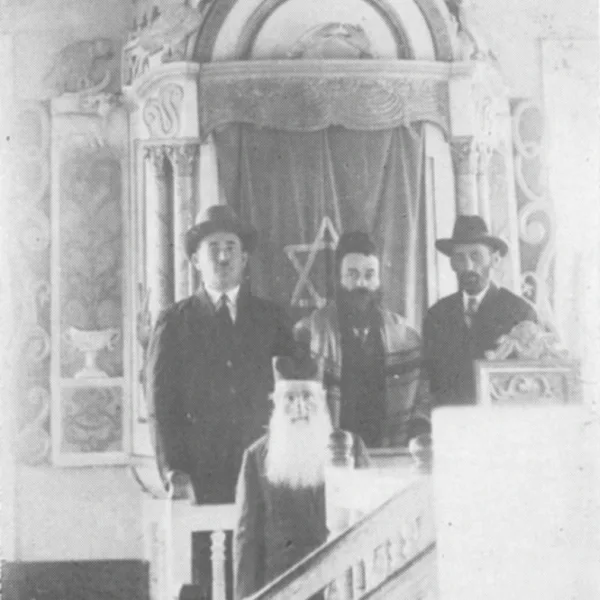
The Synagogue under the White Stork stands on Paweł Włodkowic Street and is one of two working synagogues in Wrocław. Carl Ferdinand Langhans designed it, and it took its name from an inn that once stood on the plot. The Neoclassical building from 1829 was devastated after the war and recovered by the Jewish community only in the 1990s.
The Cathedral of St Vincent and St James on Bishop Nanker Square is a Gothic former Franciscan church from the 13th century, now a Greek Catholic cathedral with a Baroque Hochberg chapel. The Gothic Cathedral of the Nativity of the Most Holy Mother of God on Świętego Mikołaja Street, in the Four Denominations District, is the main Orthodox cathedral of the Wrocław-Szczecin diocese. Frescoes by Jerzy Nowosielski and two iconostases decorate the interior.
Which churches are unusual or lesser known?
Unusual places include the Skull Chapel in Czermna, the Wang Church, the church in Szczawno-Zdrój with the largest mosaic in Lower Silesia, and village churches in Domaszczyn, Góra and Witoszów Dolny.
The Skull Chapel in Czermna, a district of Kudowa-Zdrój, is a cemetery chapel built in 1776-1784 by Father Wacław Tomaszek. In 1776 he found human skulls and bones in an embankment near the bell tower and decided to gather them in one place. Remains now cover the walls and vault of the interior, so the visit calls for focus and respect. If you are interested in places of remembrance, see the cemeteries and monuments category.
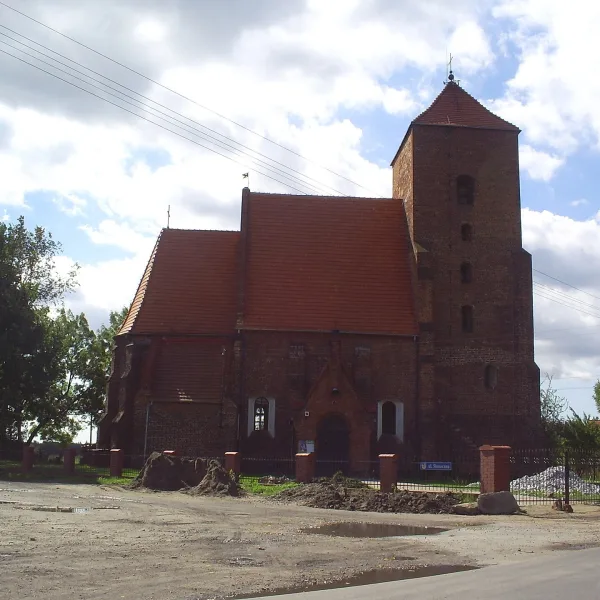
The Church of the Assumption in Szczawno-Zdrój, consecrated in 1937, is known for the largest mosaic in Lower Silesia, in the chancel. The church in Domaszczyn is late Gothic, with a Gothic sculpture of St Anne with the Virgin and Child and stained glass by Fritz Geiges. The Corpus Christi Church in Góra is a late Gothic cemetery church with an altar from 1512 and a pulpit from 1571. In Witoszów Dolny a church from 1268 has kept a Gothic portal, a Renaissance porch and loopholes from a defensive rebuild.
How to visit churches and monasteries?
Some places are working parishes and shrines, so visiting depends on services. Keep quiet, dress modestly and do not take photos during mass.
- For a rainy day choose the cathedrals in Świdnica and Legnica, described as free and good in bad weather.
- For one day in Wrocław, pick churches from one area, such as Ostrów Tumski or the Market Square.
- Treat modern churches, such as the Holy Spirit church in Tarnogaj or St Ignatius Loyola in Krzyki, as places of worship rather than sights.
The Cathedral of the Holy Apostles Peter and Paul in Legnica is a Gothic brick building with two towers, raised in 1333-1380 and extended until the end of the 19th century. It has a Renaissance pulpit and a Baroque high altar.
Frequently asked questions
Which churches in Lower Silesia are on the UNESCO list?
The Churches of Peace in Świdnica and Jawor have been on the UNESCO list since 2001. The abbey in Krzeszów is a Monument of History and a candidate for the list.
Which church in Wrocław should you see first?
Start with the Cathedral of St John the Baptist on Ostrów Tumski. Then walk to the Market Square, to the Basilica of St Elizabeth and St Mary Magdalene's Cathedral. For other faiths add the synagogue on Włodkowica Street.
Can tourists enter churches and monasteries?
Yes, but some places are working parishes and shrines, so visiting may be limited during services. This applies, for example, to the Wang Church and the sanctuary in Trzebnica. Check the information on the entry.
Where to see a church with an unusual history?
We recommend the Wang Church in Karpacz, a Norwegian church moved below Śnieżka, and the Skull Chapel in Czermna. Both have a history that sets them apart from other places of worship in the region.

 Churches and monasteries