Solo travel in Lower Silesia: museums, castles, peaks and churches that work well on your own. Pick a target and plan a route.
What does the Solo tag mean and how to use it?
The Solo tag marks places that suit an outing on your own. No group booking and no need to look for company: you go in at your own pace, stop where you like and leave when you have had enough. The list mixes cities, mountains and castles, so start by asking how much time you have and what the weather is like.
Many entries have extra tags that help narrow the choice. If it rains, look for Rainy Day. If you want a full day in the field, check Great Views and Nature. Below you will find a split by type of destination.
Where in Wrocław to go alone?
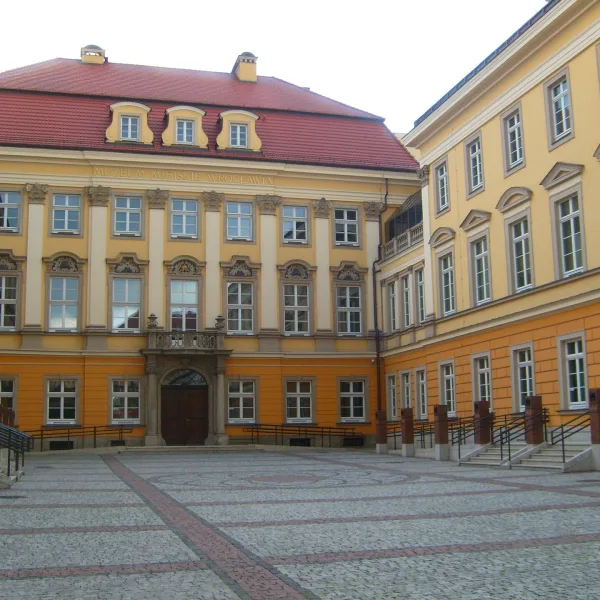
Wrocław has the most options for one day. The Racławice Panorama is a museum built around one exhibit, the cyclorama painting of the Battle of Racławice, made under the direction of Jan Styka and Wojciech Kossak. It carries the Rainy Day tag, so it also works in bad weather. Centennial Hall is an expressionist hall from 1913 designed by Max Berg and listed by UNESCO, and the National Museum on Powstańców Warszawy Square holds over 200,000 objects of painting and sculpture, mostly Silesian art.
For a walk through the centre add the Town Hall on the Market Square (late Gothic, with the Museum of Bourgeois Art), the Market Hall from 1908 on Piaskowa Street and the Wrocław Opera from 1841 on Świdnicka. On Ostrów Tumski there is the Tumski Bridge from 1889, pedestrians only, and the Gothic cathedral with a viewing gallery on the tower. The Grunwaldzki Bridge is a historic suspension bridge from 1910. When it rains, go down to Hydropolis, an education centre about water in a former underground water tank. A fuller plan is on Solo in Wrocław.
Which castle to choose for a solo trip?
Castles and fortresses are a classic of solo travel, because many have a marked visitor route. Książ in the Wałbrzych district of the same name is the third largest castle in Poland, with a history of over seven hundred years and tunnels from the Second World War. Czocha Castle stands in Sucha on Leśniańskie Lake, has a medieval keep and today serves as a hotel and conference centre. Chojnik Castle is a Gothic ruin on top of a mountain in Karkonosze National Park, burnt by lightning in 1675.
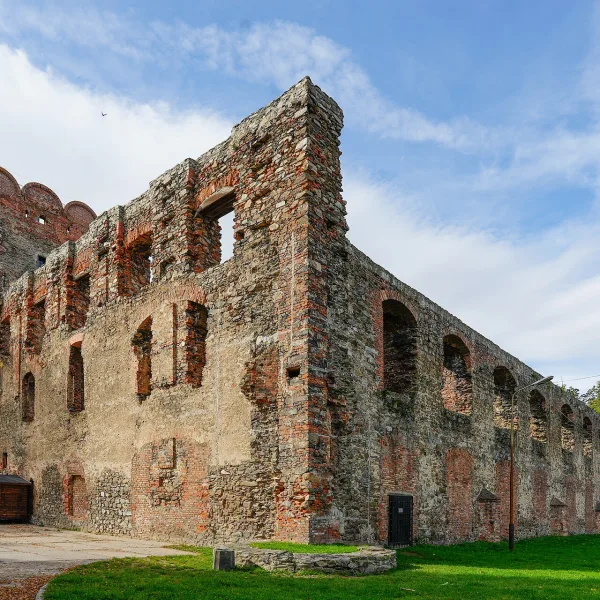
If you prefer less visited targets, see Bolków Castle with the oldest surviving window in Poland and the round Dziobowa Tower, Bolczów Castle in the Rudawy Janowickie and Grodziec Castle on a basalt hill along the Piast Castles Trail. Grodno Castle in Zagórze Śląskie is now a museum with a visitor route. The list also has fortresses: Kłodzko with underground countermine corridors and Srebrna Góra with six forts from the eighteenth century. The palace in Kamieniec Ząbkowicki is the neo-Gothic residence of Marianne of Orange, and the castle in Kliczków a hotel on the Kwisa.
Where to climb a peak without company?
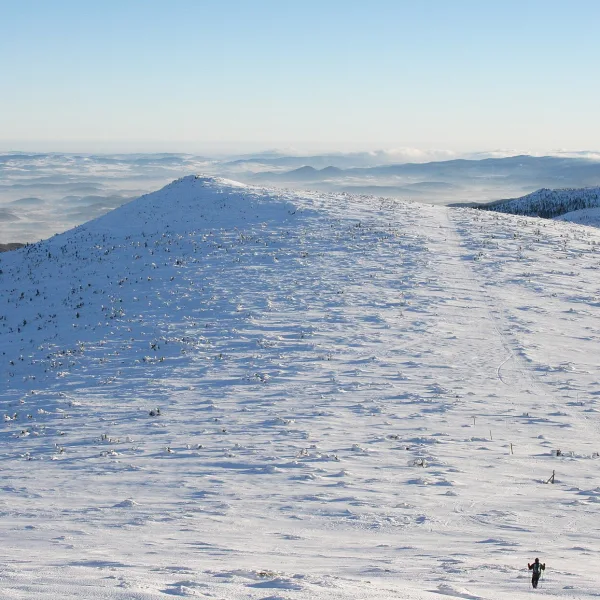
Mountains handle solo trips well if you check the weather and the route. Śnieżka is the highest peak of the Karkonosze and of the Czech lands, with a panorama beyond 200 kilometres in good visibility. Szczeliniec Wielki in the Table Mountains has viewing terraces and cracked sandstone rocks, and the trail has existed since 1814. You can ride a cable car to Szrenica, and a hut with a viewpoint waits at the top.
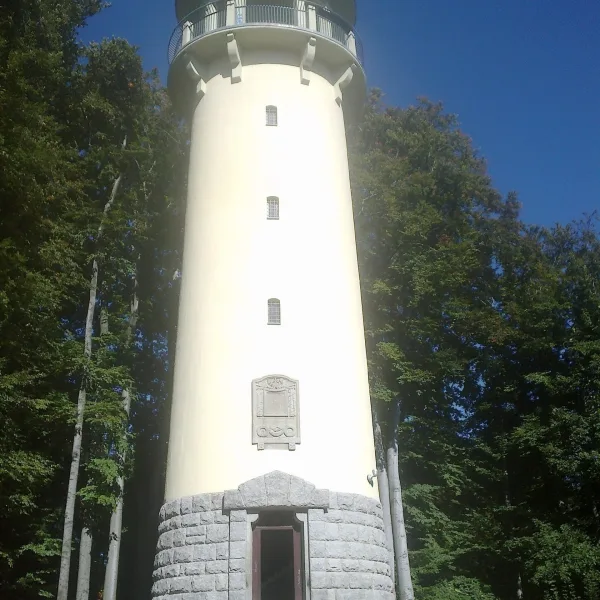
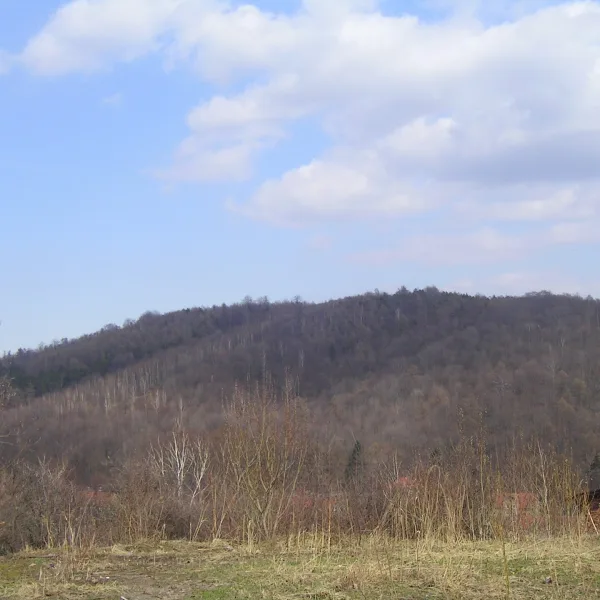
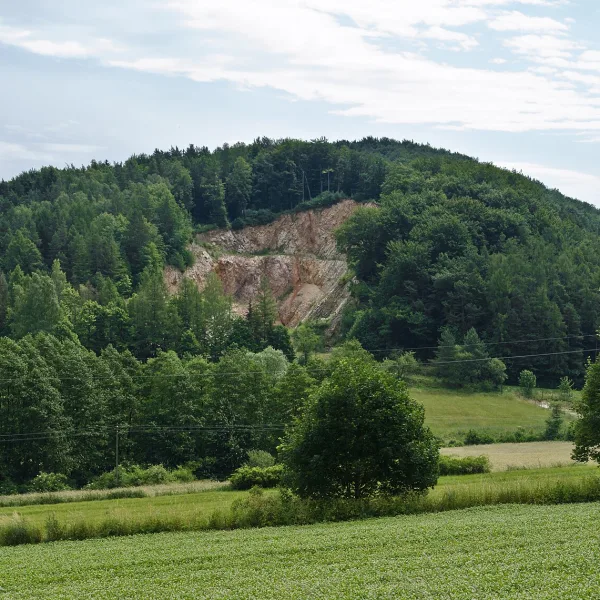
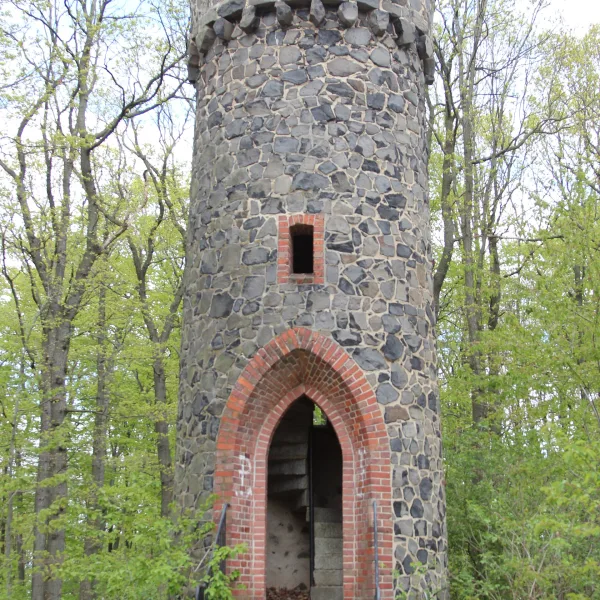
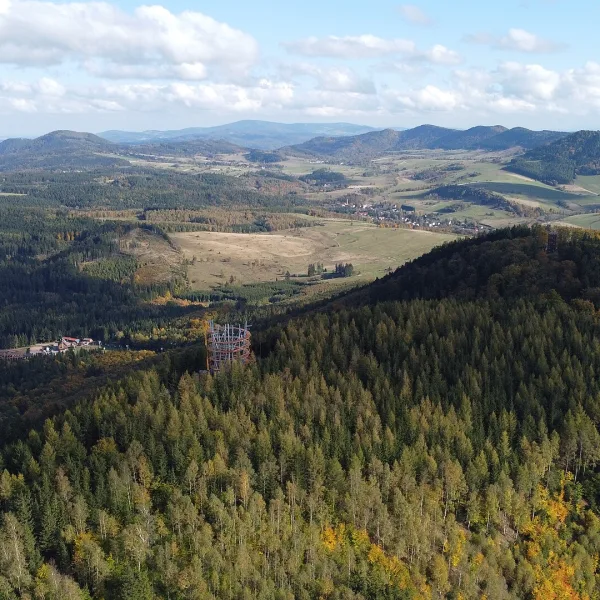
Quieter suggestions are Ślęża, a former pagan cult site with stone sculptures, Wielka Sowa with its lookout tower (a point of the Crown of Polish Mountains) and Ostrzyca Proboszczowicka, the cone of an old volcano with a trail of stone steps. You will find many such targets on the pages Solo in Karpacz, in Szklarska Poręba and in Jelenia Góra.
Which sacred and monastic sites are calm?
Sacred sites favour solo visits, because they ask for silence. The Church of Peace in Świdnica is the largest wooden baroque church in Europe, listed by UNESCO, built after the Peace of Westphalia of 1648. The Cistercian Abbey in Krzeszów is a baroque monastery complex and a Monument of History, and the Cistercian Abbey in Lubiąż is considered the largest Cistercian abbey in the world, with the crypt of the Silesian Piasts.
Below Śnieżka stands the Wang Church, a Norwegian stave church from the 12th-13th century, moved below Śnieżka in 1842 and still in use. For those who want a place with a heavy mood there is the Skull Chapel in Czermna, where the walls and vault are covered with skulls and bones collected in the eighteenth century. It calls for seriousness.
What to do alone when it rains?
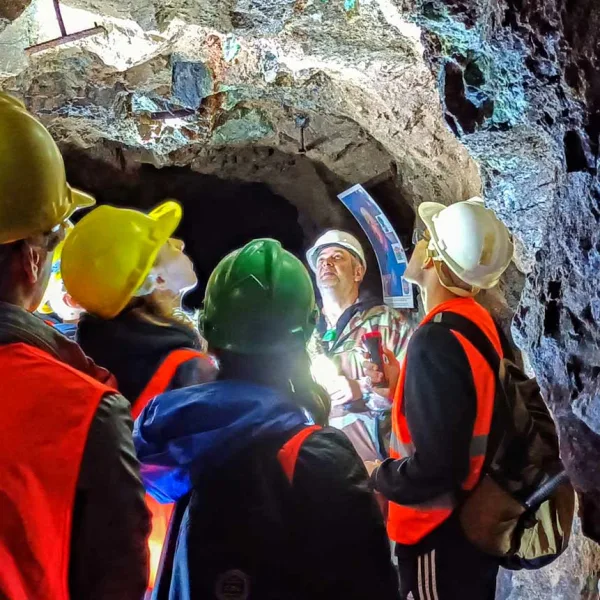
On a rainy day, museums and indoor sites help. The Paper Museum in Duszniki-Zdrój is housed in a mill from the 16th-17th century and has working production of handmade paper. The Old Mine Science and Art Centre in Wałbrzych is the revitalised Julia mine with underground tours and a children's zone, but an adult without children will also find an industry museum here. The Old Jewish Cemetery on Ślężna Street in Wrocław is now the Museum of Cemetery Art with about 12,000 gravestones and calls for a calm, factual approach.
If you plan several days in one place, open Solo in Wałbrzych, where Książ and the Old Mine fit into two separate days.
Frequently asked questions
Where is it best to go alone in Lower Silesia?
To Wrocław if you have one day and want museums, bridges and a cathedral. To Wałbrzych and its surroundings for castles, and to the Karkonosze for peaks and views.
Can you hike alone in the mountains?
Yes, the Solo tag is carried by Śnieżka, Szrenica, Ślęża, Wielka Sowa and other peaks. Check the weather before you go and choose a route that fits your fitness.
Which places are good when it rains?
Look for the Rainy Day tag: the Racławice Panorama, the National Museum, Hydropolis, the Paper Museum, Kłodzko Fortress and the Old Mine.
Can castles be visited alone?
Yes. Książ, Czocha, Chojnik, Bolków, Bolczów and Grodziec carry the Solo tag, and some of them also work as a museum or a hotel.
Is entry to these places paid?
It depends on the site. Peaks and rocks usually carry the free tag, while museums and castles follow their own entry rules, which you should check on the site's page.

 Mountains