Places with character in Wrocław and Lower Silesia: bridges, squares, fountains, a dam and mountain cirques for walkers and photographers.
This list is not a catalogue of monuments or museums. It gathers places with atmosphere: bridges over the Oder, historic squares, fountains, a dam on the Bóbr river, mountain cirques and a few odd phenomena. For interiors and building histories see historic sites, and for views from above see viewpoints. Here we suggest where to walk at different times of day.
Where do you start looking for atmospheric places in Wrocław?
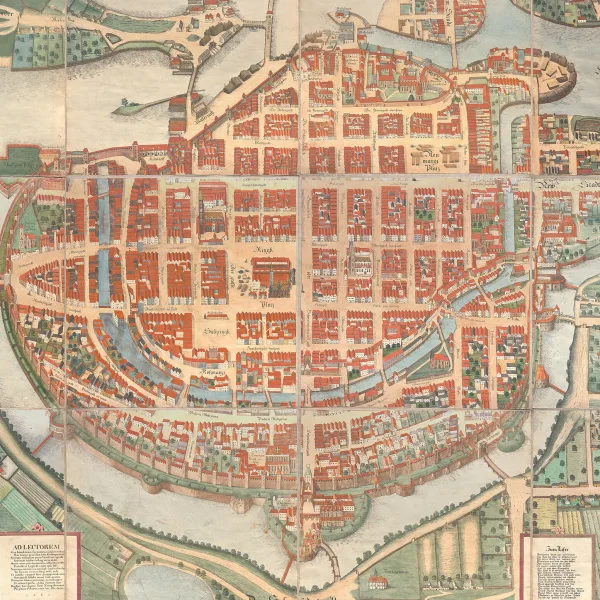
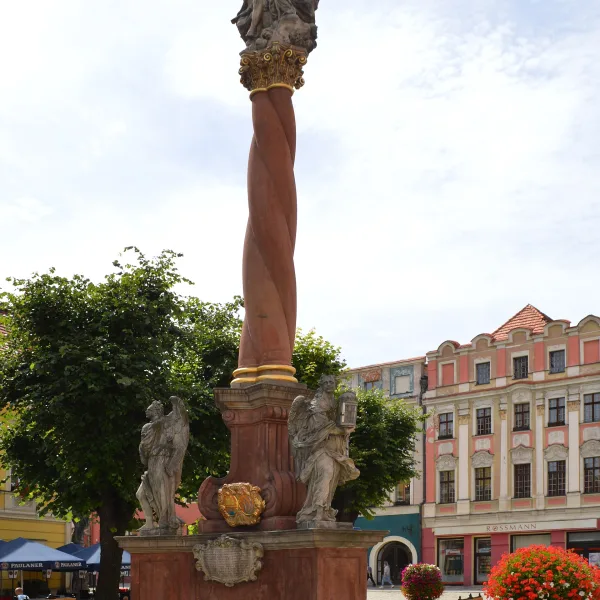
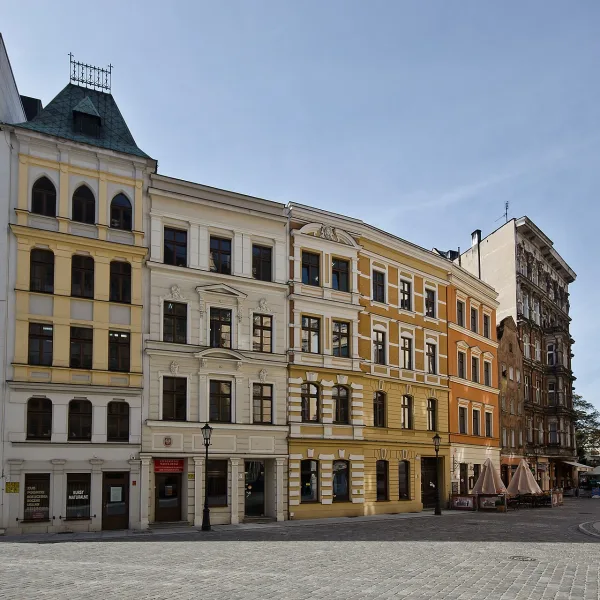
Start with the Market Square and the squares around it. The Rynek is a medieval trading square, today the heart of the pedestrian zone and one of the largest old-town squares in Europe, with the largest town halls of any market square in Poland. Right beside it lies Plac Solny, the Salt Square, a square auxiliary market laid out in 1242, left open and known for its traditional flower market.
The third of the historic trading squares is Plac Nowy Targ, today green and open, surrounded by post-war housing. If you prefer greenery, follow the former City Moat to Plac Wolności, a park created after Napoleonic fortifications were pulled down in 1810-1812.
For an evening walk, University Square by the Tumski Bridge is a good choice, with the Baroque university building and its Mathematical Tower. The small square of St John the Baptist on Ostrów Tumski, the cathedral island, on Kanonia Street, gives a foretaste of the cobbled lanes of the oldest, island part of the city.
Which Wrocław bridge should you pick for a walk and photos?
It depends on whether you like steel, stone or modern engineering. For pedestrians and cyclists the best is the Zwierzyniecka Footbridge from 1976, a steel suspension footbridge by Wielka Wyspa and the Zoo, built on the site of a former ferry crossing. The Żabia Footbridge, from 1975, has a similar character: it hangs over the northern Oder and links Nadodrze with Bielarska Island.
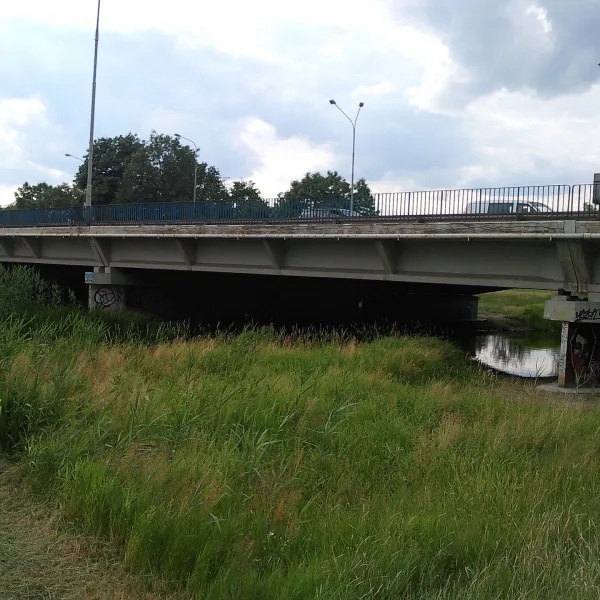
By the university stand the University Bridges, two steel bridges from the 19th century rebuilt in the 1930s. Further on are the Peace Bridge from 1959, built where Lessing's bridge stood until 1945, and the Szczytnicki Bridge from 1888-1890, an arched bridge of three spans linking Plac Grunwaldzki with Szczytnicki Park.
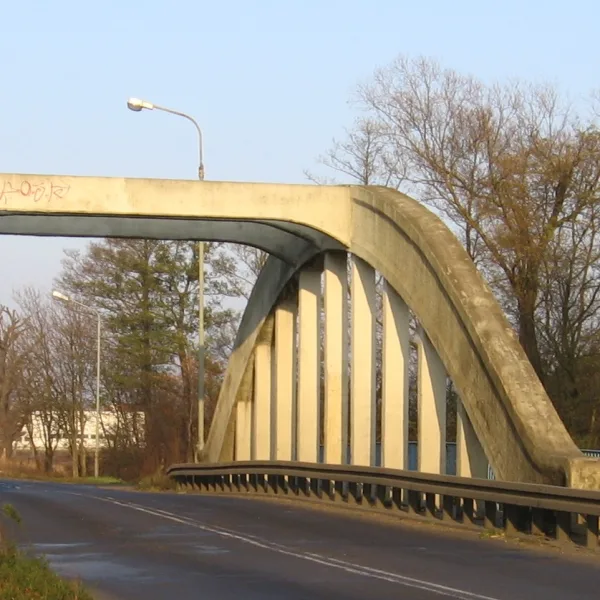
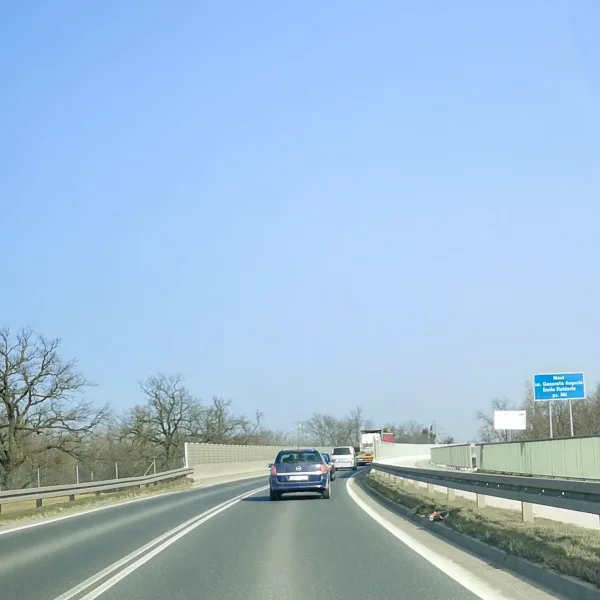
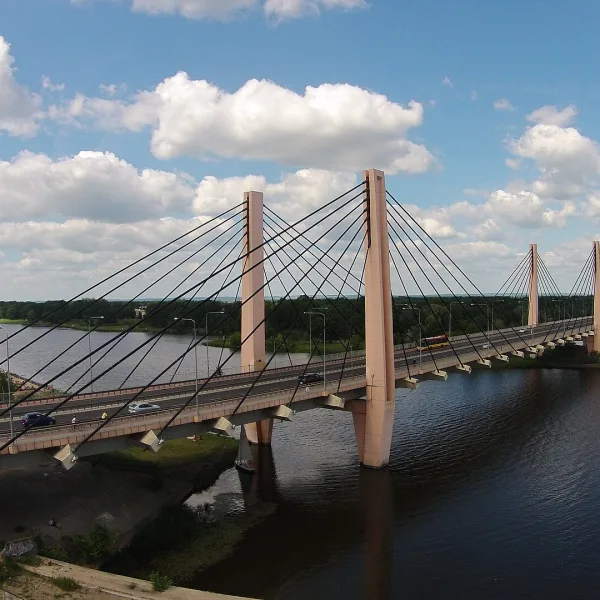
Modern structures include the cable-stayed Millennium Bridge from 2004, linking Popowice with Osobowice, and the Rędziński Bridge on the A8 motorway, with the tallest pylon in Poland at 122 metres. Below it lies Rędzin Island with the historic Rędzin locks. The Warsaw Bridges in the north of the city are five crossings, three from before the First World War and two from 2006-2008, and the Bolesław Chrobry Bridges over the Navigation Canal and the Flood Canal are older crossings from 1916-1917 and new ones from 2020-2023.
Where can you see fountains and water in the city?
The biggest is the Wrocław Fountain in Szczytnicki Park beside the Centennial Hall: the largest fountain in Poland and one of the largest in Europe, surrounded by a distinctive pergola. It fills a pond designed in 1913 by the architects of the Centennial Hall, Max Berg and Hans Poelzig. A geyser in the middle shoots water 40 metres high, and shows of water, light and music take place seasonally.
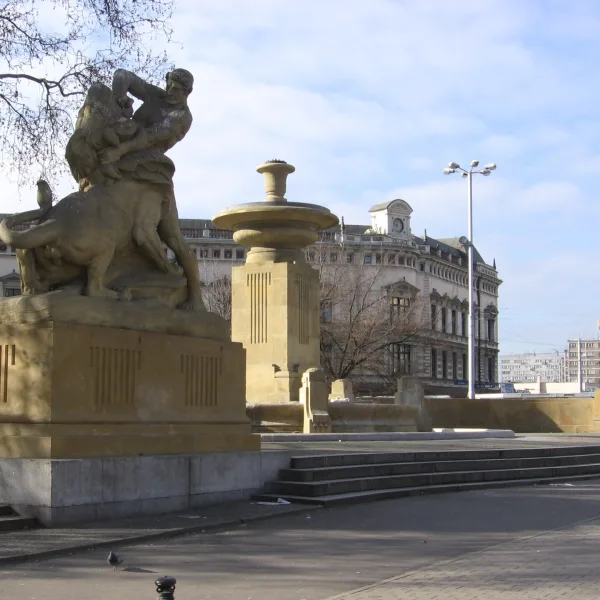
The centre has two very different fountains. The Fencer on University Square, designed by Hugo Lederer, was placed in front of the university building in 1904. The Zdrój fountain from 1996, on the west side of the Market Square in front of the New Town Hall, is a granite and glass form by Alojzy Gryt over which water runs. Outside Wrocław, stop at the Weaver's Fountain in the central part of the market square in Chojnów.
Where do you find interiors and views from above?
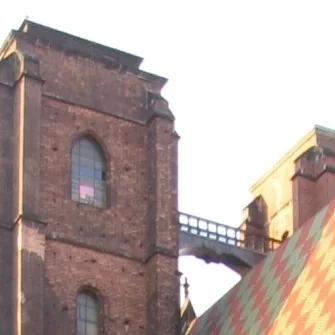
To see the city from above, choose the Witches' Bridge, also called the Penitents' Bridge. It links both towers of St Mary Magdalene's Church at a height of 45 metres and has always been a viewpoint, with the first mention dating from 1459. It burned in 1887 during a firework show and was destroyed again in 1945, and each time it was rebuilt.
In Jelenia Góra climb the Castle Gate Tower, the only surviving part of the medieval town gate, built in its present form in 1584. A viewing gallery runs below the octagonal superstructure, and a weathervane with a deer, the symbol of the town, crowns the top.
For interiors, step into the main building of the University of Wrocław. The Aula Leopoldina of 1728-1732 is a Baroque hall with frescoes by Handke and sculptures by Hollandt. The Baroque Musical Oratory of 1728-1731 is known for its acoustics, and Brahms and Paganini played there in the 19th century. Take children to the House of the Dwarfs by the Market Square, where a guide in the role of the Storyteller Dwarf leads visitors through the world of Wrocław's dwarfs; the programme is aimed mainly at children aged 4 to 10.
Dams, viaducts and bridges outside Wrocław
The Pilchowice Dam on the Bóbr is the highest stone arch dam in Poland, second in height only to the dam at Solina. It is 62 metres high, was built in 1902-1912 after the flood of 1897 and still holds back Lake Pilchowice, with a working hydroelectric plant. It makes a good target for a trip with a camera.
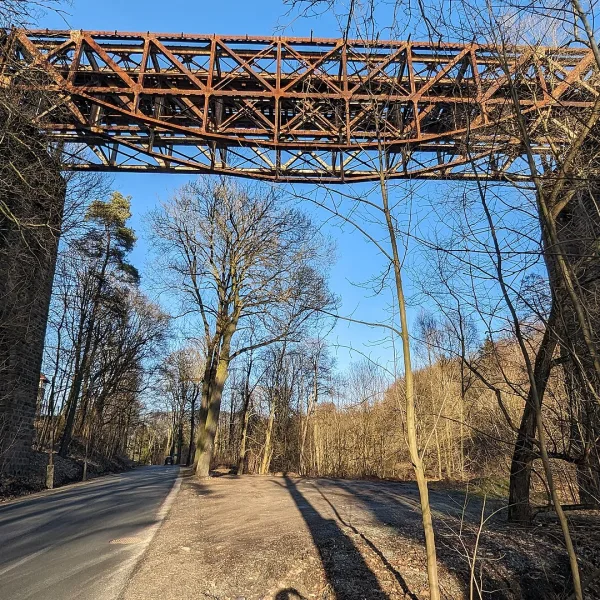
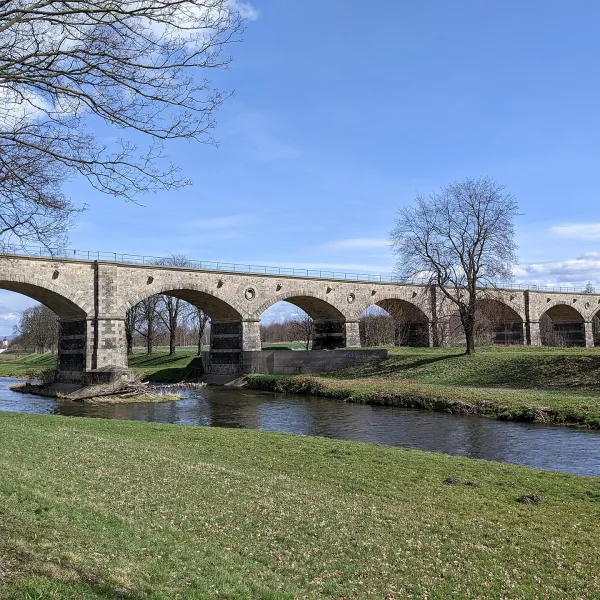
Stone railway viaducts have their own charm. The viaduct in Lewin Kłodzki of 1903-1905 is 120 metres long and 27 metres high, and trains still run over it. The viaduct in Bolesławiec from 1846 is almost half a kilometre long and crosses the Bóbr. These are working railway structures, so watch them from a safe distance.
In Zgorzelec look at two bridges over the Lusatian Neisse. The Old Town Bridge, opened in 2004, linked the old towns of Zgorzelec and Görlitz, and the granite railway bridge of 1844-1847 is 475 metres long. In Głogów the Tolerance Bridge of 1917, once unofficially called the Pink Bridge, links the Old Town with Ostrów Tumski.
Mountains, spa towns and places with a puzzle
High in the Karkonosze lie the Snowy Cirques, two glacial cirques between Wielki Szyszak and Łabski Szczyt. The smaller one is about 300 metres deep, and a basalt vein from the late Oligocene shows in its wall. They are among the best-known glacial landforms in the Sudetes. For more trails and summits see the mountains category.
The spa towns have a calmer mood: Kudowa-Zdrój with its Spa Park, graduation tower and pump room, Polanica-Zdrój in the Bystrzyca Dusznicka valley, and Świeradów-Zdrój, a mountain spa with a mineral spring and a peat treatment centre. In Upper Karpacz, on Strażacka Street, the gravitational anomaly is an optical illusion that makes a ball and water seem to roll uphill. In Wambierzyce, the moving Nativity scene by the sanctuary is the oldest of its kind in Poland.
A place of remembrance on the list: Stalag VIII A
One place on this list needs a different tone. Stalag VIII A in Koźlice near Zgorzelec is a former German prisoner-of-war camp from the Second World War, set up on 26 August 1939. Today it is a memorial and educational centre, and the remains of the buildings survive as ruins.
The camp held prisoners of many nationalities. The French composer Olivier Messiaen was held here and wrote his Quartet for the End of Time in the camp. Go there with time for a quiet visit, not as a stop between photo sessions.
How do you plan a day and use the list?
The easiest day is in Wrocław: start at the Market Square and the Salt Square, walk on to University Square and the University Bridges, then to Ostrów Tumski, and in the evening go to Szczytnicki Park for the Wrocław Fountain, remembering that its shows are seasonal. For a mountain day, combine the Snowy Cirques with Karpacz and Jelenia Góra.
More addresses in the city are collected under Wrocław attractions. Check entry times for towers and university halls on the managers' own sites before you go.
Frequently asked questions
Which atmospheric places in Wrocław can I see on a walk through the centre?
On foot you can reach the Market Square, Plac Solny, University Square, Plac Wolności along the former City Moat, and bridges and footbridges such as the Zwierzyniecka. All lie within the city, while interiors such as the university halls have their own entry rules, which you can check on the managers' sites.
When does the Wrocław Fountain show run?
Shows of water, light and music take place seasonally. Check the dates and hours on the operator's page before you travel to Szczytnicki Park.
Which Wrocław bridge stands out for its height?
The Rędziński Bridge on the A8 motorway. Its pylon is 122 metres tall, the tallest pylon in Poland.
Where can I see the highest dam in Poland?
The Pilchowice Dam on the Bóbr is the highest stone arch dam in Poland, second in height only to the dam at Solina.
Can I test the gravitational anomaly in Karpacz myself?
Yes, visitors often place various objects on the asphalt. It is an optical illusion, because the road actually descends along the slope of the valley. Remember it is a road, so watch for cars.

 Places with character