Architecture in Wrocław means Gothic churches, Baroque palaces, the modernist Centennial Hall and Oder bridges. These buildings show the city eras.
Which styles do you see in the old districts?
Gothic is easiest to see around the Market Square. The Town Hall was built from the late 13th century to the 16th and now holds the Museum of Bourgeois Art with the Gallery of Famous Wrocław Residents. Nearby stand the Basilica of St Elizabeth of Hungary with a 91-metre tower and St Mary Magdalene cathedral from the 14th century. The late Gothic brick church of St Stanislaus, St Dorothy and St Wenceslaus shows the hall church type, and the Church of Our Lady on the Sand was raised in the 14th century where a Romanesque church had stood.
On Ostrów Tumski the Cathedral of St John the Baptist dominates, the fourth church on this site, with the largest organ in Poland. Baroque is represented by the Royal Palace from the early 18th century, now the City Museum of Wrocław, and the university Church of the Holy Name of Jesus of 1689-1698. Classicism is the White Stork Synagogue from 1829. By the Market Square stands the Feniks cooperative department store, an Art Nouveau building from 1904, and the Monopol Hotel of 1892 appeared in Andrzej Wajda Ashes and Diamonds.
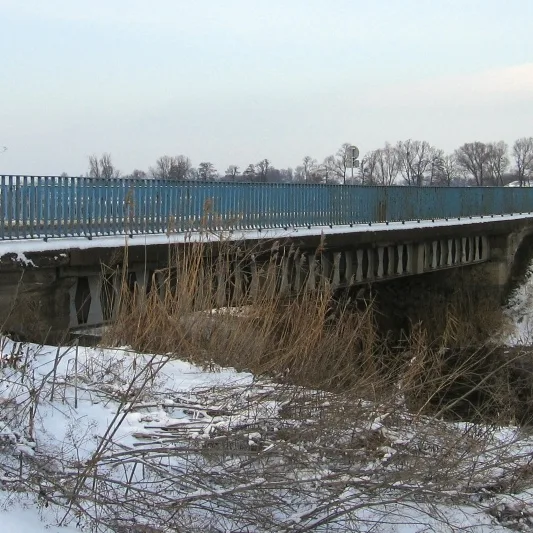
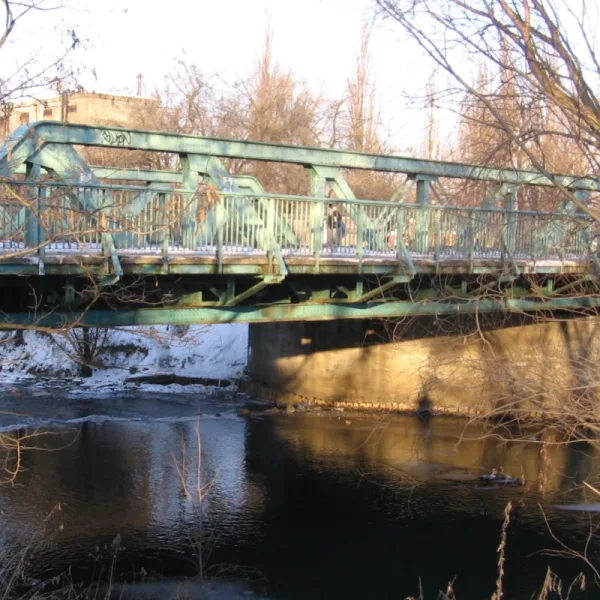
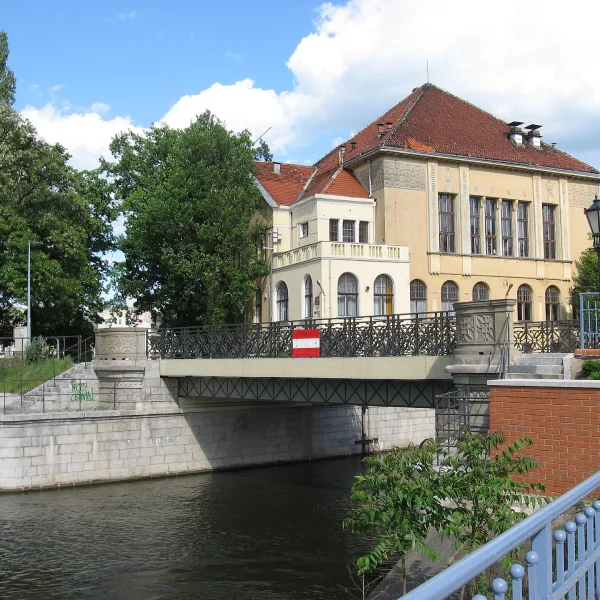
From the Market Square to Ostrów Tumski leads Tumski Bridge, and on the way you pass Piasek Island with a Gothic church. Such a walk is a good way to see brick Gothic, the steel structure of a bridge from 1889 and the cathedral in one route.
What from the 20th century should you see in person?
The symbol of modernism is the Centennial Hall from 1913 by Max Berg, an expressionist arena and sports hall, a Polish Historic Monument and a UNESCO site. Next to it stand the Four Domes Pavilion of 1912-1913, now a branch of the National Museum, and the steel Spire, a 90-metre tower from 1948. In Dąbie you can see WUWA, the housing estate from the 1929 Werkbund exhibition with a reconstructed DOIA kindergarten.
The exhibition heritage of Wrocław does not end in 1913. The Spire was built in 1948 for the Exhibition of the Recovered Territories, so it shows a different era from the Hall, although they stand side by side. In one place you get expressionism, a reinforced concrete pavilion and post-war steel.
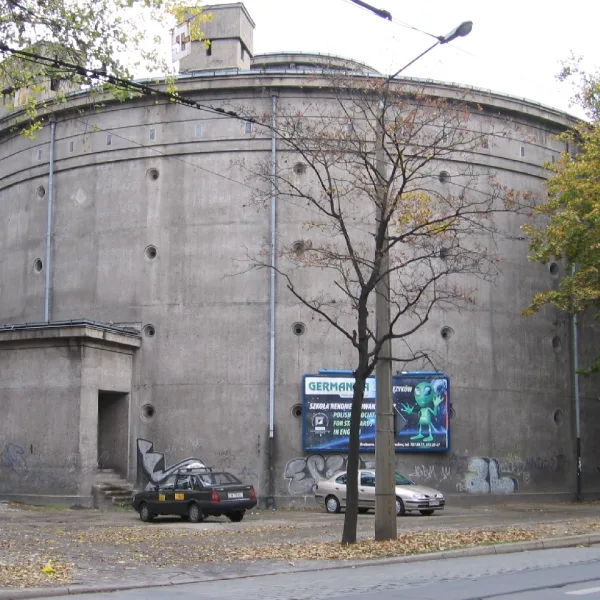
Technical buildings impress too. The Market Hall of 1908 has parabolic reinforced concrete arches, considered an early engineering achievement. The station Wrocław Główny is a neo-Gothic building with a platform hall from 1857. In Borek stands the water tower on Wiśniowa Avenue from 1905, but its viewing gallery at 42 metres is currently closed.
Which bridges and fountains are open-air architecture?
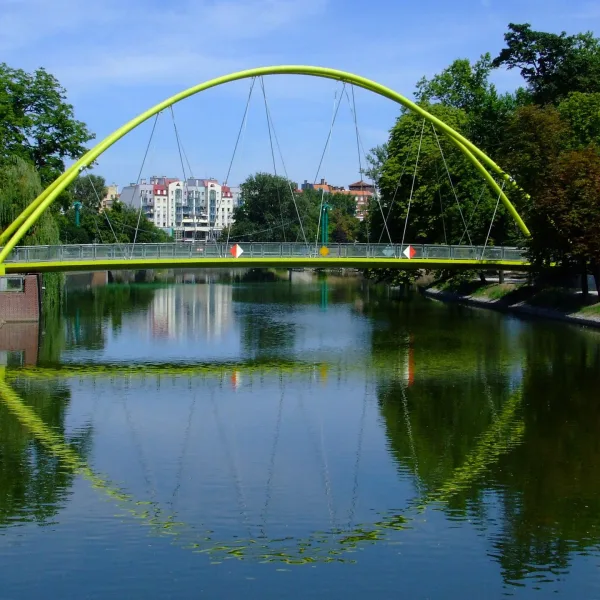
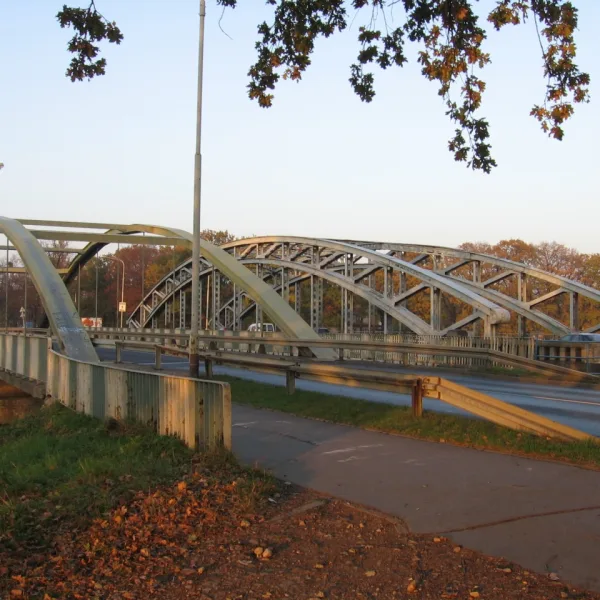
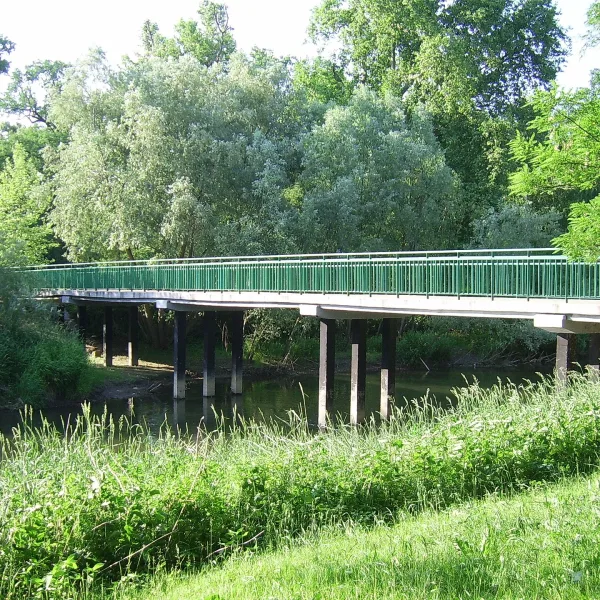
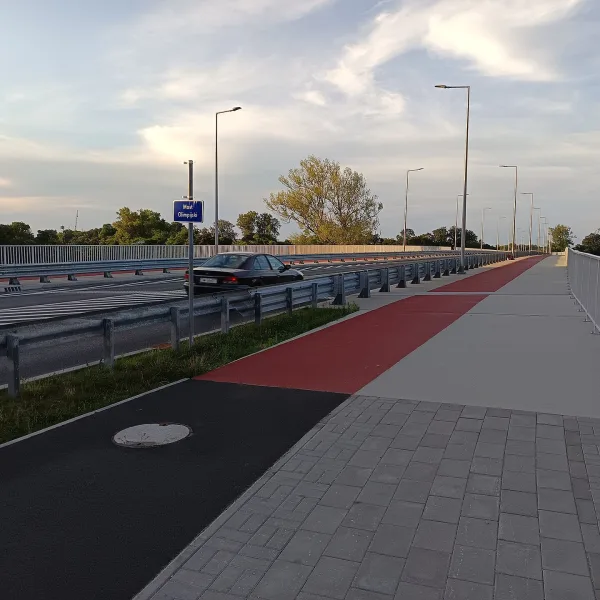
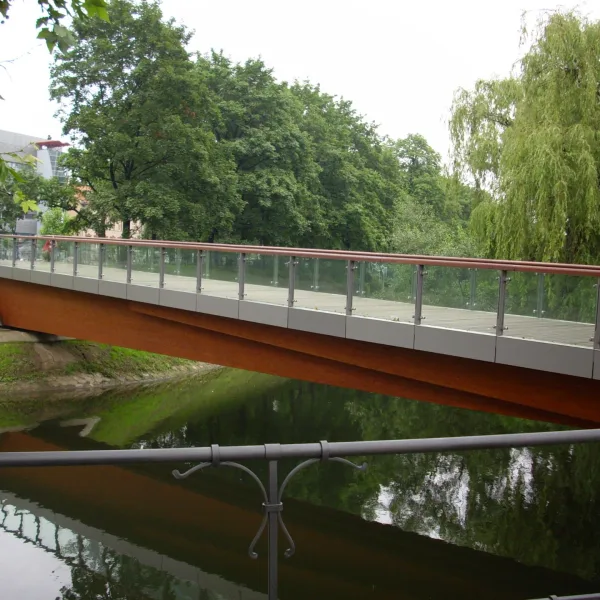
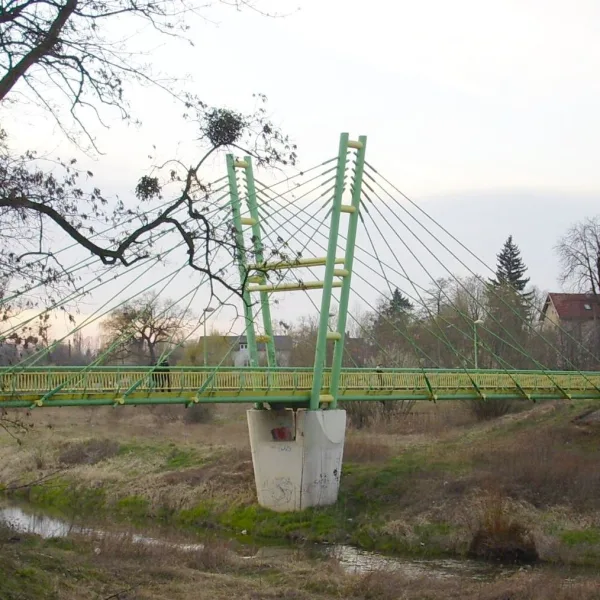
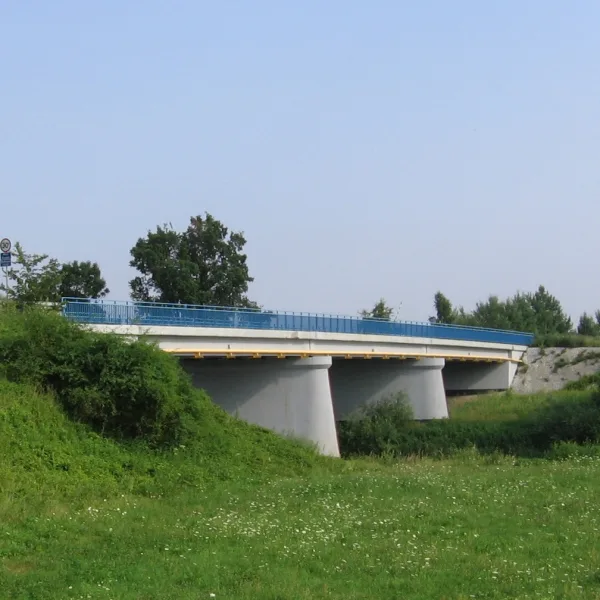
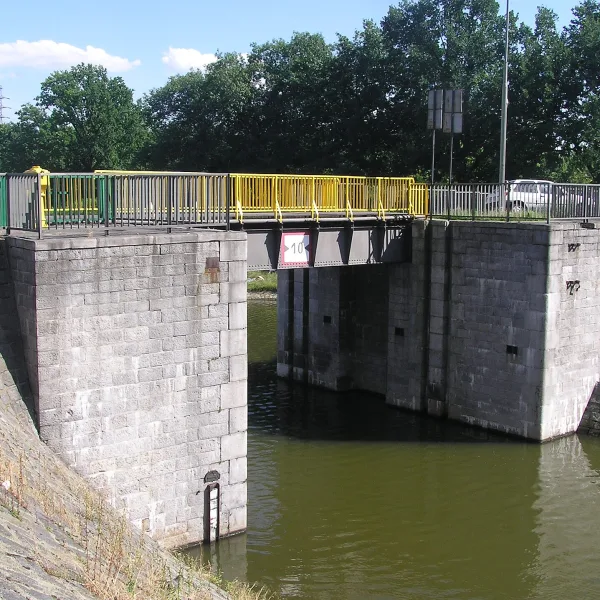
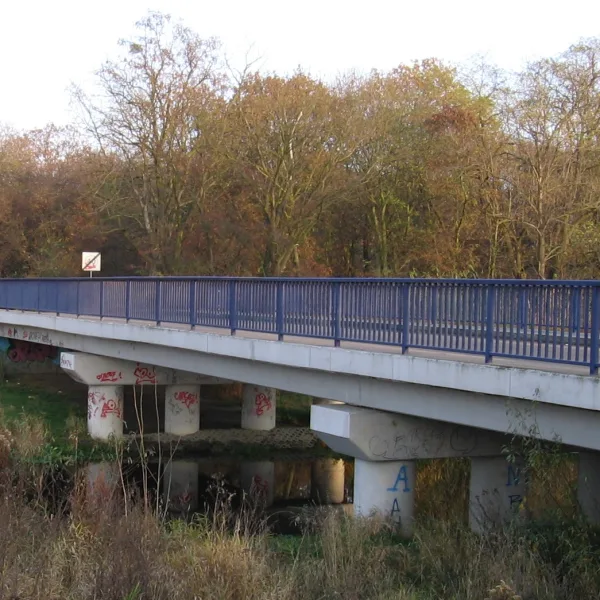
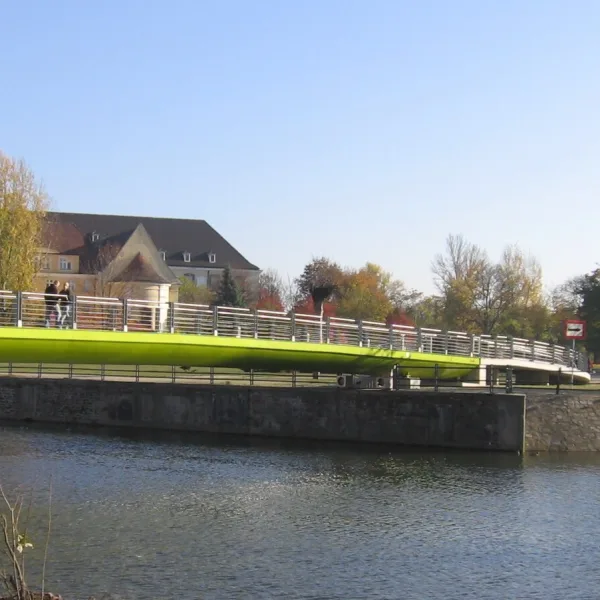
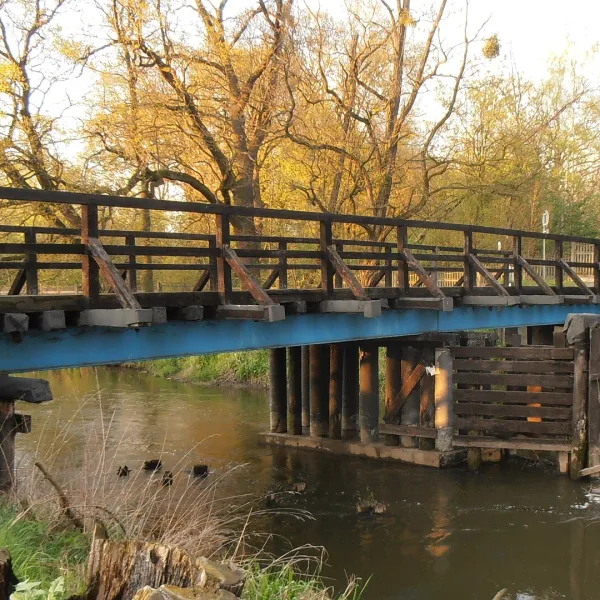
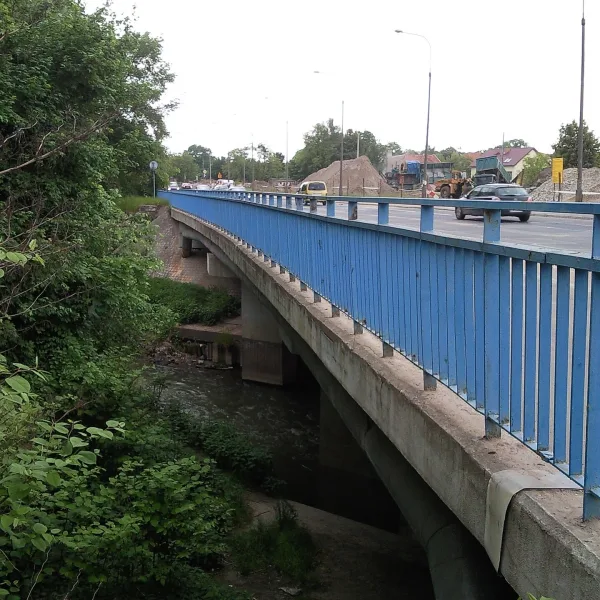
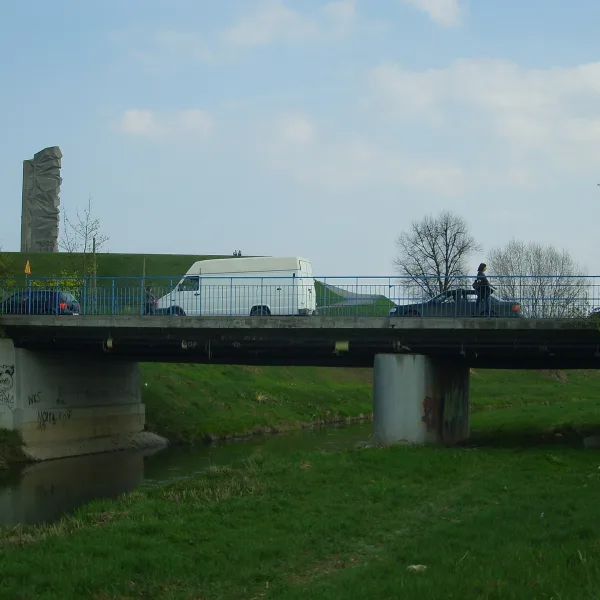
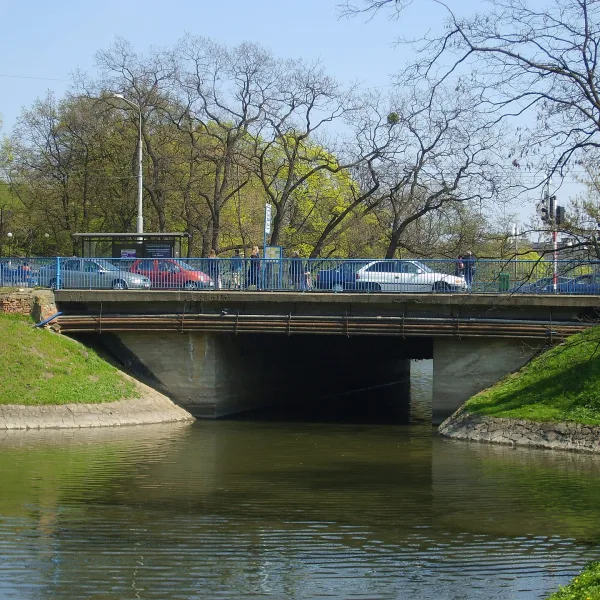
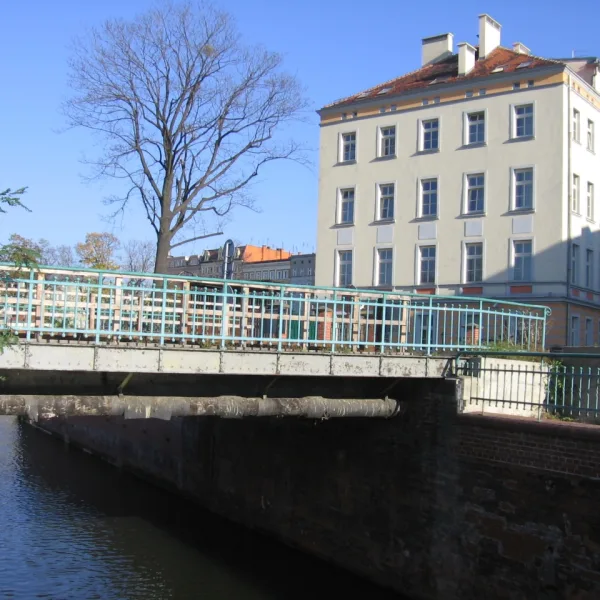
The Grunwaldzki Bridge of 1910 is a historic suspension bridge linking the centre with Grunwaldzki Square. Tumski Bridge from 1889 is made of steel and is now pedestrian only, and Peace Bridge from 1959 stands where a bridge destroyed in 1945 once was. The University Bridges are a pair of 19th-century steel bridges rebuilt in the 1930s. Zwierzyniecka Footbridge of 1976 links the banks by Great Island.
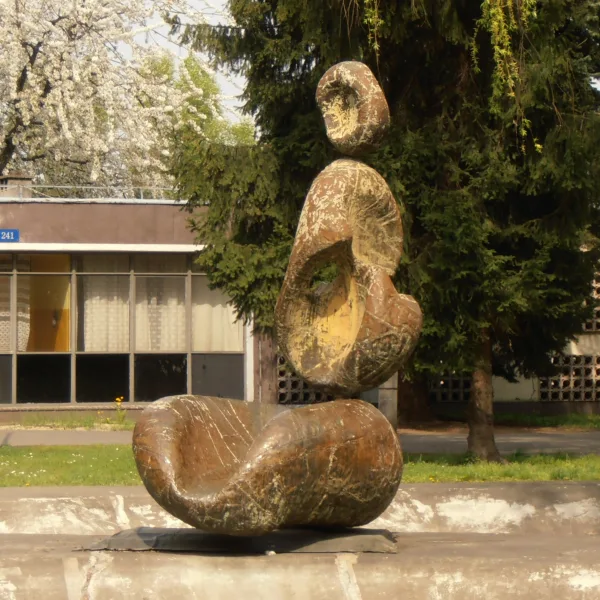
Fountains complete the views. The Fencer fountain by Hugo Lederer has stood on University Square since 1904, the neo-Baroque Allegory of Struggle and Victory from 1905 stands by the Old Town Promenade in Szczepin, and the Wrocław Fountain in Szczytnicki Park is the largest in Poland. To this group belongs also the figure of St John of Nepomuk on Kościelny Square, an 18th-century sculpture.
Where do you see architecture in a museum?
The Museum of Architecture in the former Bernardine complex is the only such museum in Poland, with more than 20,000 exhibits. The National Museum on Powstańców Warszawy Square holds over 200,000 paintings and sculptures, mostly Silesian art. Beyond museums look in at the Old Jewish Cemetery on Ślężna Street from 1856, now the Museum of Cemetery Art, with around 12,000 gravestones.
The Royal Palace with the exhibition 1000 Years of Wrocław and the Town Hall mentioned above add interiors and city history to the facades. Once you have seen the building from outside, inside you learn who built it and why.
How do you plan a route?
Start with the Market Square and Gothic, move on to Ostrów Tumski, and give a second day to the 20th century: the Centennial Hall, WUWA and the Spire. When it rains hide in things to do in the rain or museums. More mood comes from atmospheric places, and you can see the city cheaply with free attractions. Similar buildings from the whole region are on the page architecture in Lower Silesia, and the general overview is on attractions in Wrocław.
Frequently asked questions
What can I see in one day?
The Market Square with the Town Hall, the Basilica of St Elizabeth, Ostrów Tumski with the cathedral, and the Centennial Hall with the Spire and the Wrocław Fountain.
Is the Centennial Hall a UNESCO site?
Yes. It is an expressionist hall from 1913 by Max Berg, a Polish Historic Monument and a UNESCO site. Next to it you have the Four Domes Pavilion, the Spire and the Wrocław Fountain, so the whole exhibition ground can be seen in one walk.
Where do I see Art Nouveau and modernism?
Art Nouveau is shown by Feniks from 1904 and the Monopol Hotel from 1892, and modernism by the WUWA estate from 1929.
Which is taller, the Spire or the basilica tower?
The tower of the Basilica of St Elizabeth is 91 metres tall, and the steel Spire is 90 metres.
Can I climb the water tower on Wiśniowa Avenue?
Its viewing gallery at 42 metres is currently closed.

 Places with character